
Hugh Dalton
 Great Britain
- Biography of Hugh Dalton
- Early Life and Education
- Military Service and Academic Achievements
- Political Career
- Later Life and Controversies
- Death
Biography of Hugh Dalton
Edward Hugh John Neale Dalton, known as Hugh Dalton, was a British economist and politician. He was a member of the Labour Party and served as the Chancellor of the Exchequer of the United Kingdom from 1945 to 1947. Dalton was responsible for shaping the foreign policy of the Labour government in the 1930s.
Early Life and Education
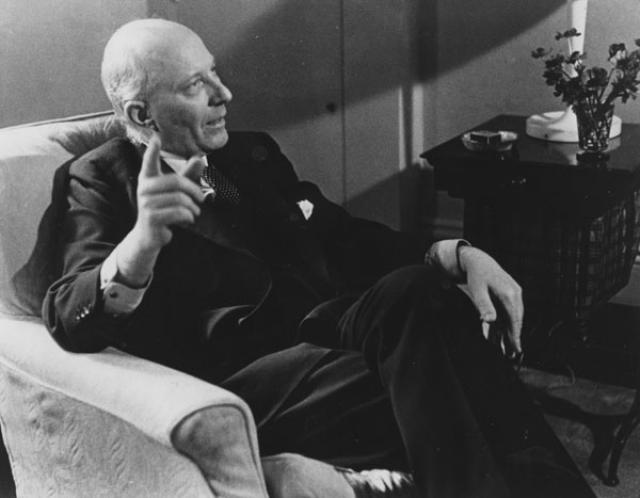
Hugh Dalton was born on August 16, 1887, in Neath, Wales. He was the son of John Neale Dalton, a chaplain to Queen Victoria and mentor to the future king. Dalton attended Summer Fields School and Eton College. He then went on to study at King's College, Cambridge, where he actively participated in student politics and earned the nickname "Comrade Hugh." Dalton also studied at the London School of Economics and gained legal knowledge at Middle Temple.
Military Service and Academic Achievements
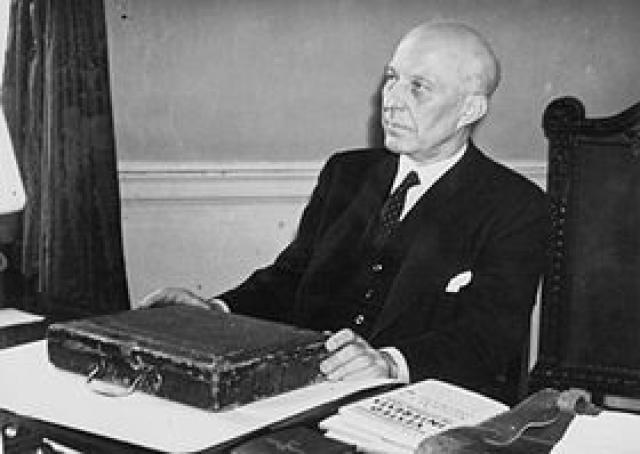
During World War I, Dalton served in the Army Corps and later in the Royal Artillery. He received the Italian medal "Medaglia di Bronzo al Valor Militare" for his "contempt of danger" during the retreat from Caporetto. After being demobilized, Dalton returned to the London School of Economics and became a lecturer at the University of London. He earned a Ph.D. for his dissertation on the principles of public finance in 1920.

Political Career
Highly respected for his intellectual achievements in economics, Dalton rose through the ranks of the Labour Party, eventually being elected to the shadow cabinet in 1925. He lost his position as Deputy Minister when Ramsay MacDonald's national government was rejected, and like most Labour Party MPs, he lost his seat in 1931, until being re-elected in 1935. Recognizing the impending crisis in Europe, Dalton became the Labour Party's representative on foreign policy matters in Parliament. With the support of trade union activists, Dalton shifted the Labour Party towards a policy of armed deterrence and rejection of appeasement. He strongly opposed Prime Minister Neville Chamberlain's attempts to appease Hitler through the Munich Agreement in 1938. When World War II broke out, Dalton and other leading members of the Labour Party made it clear that they would join any coalition government that did not include Chamberlain. This led to Chamberlain's downfall, and Winston Churchill assumed his position.
Later Life and Controversies
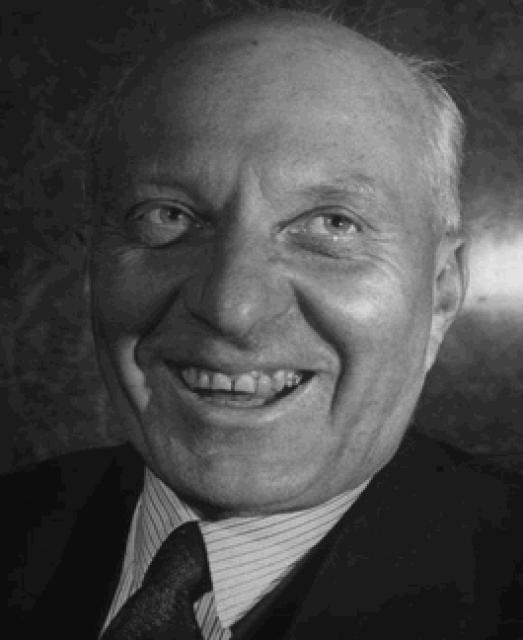
Despite being married and having a daughter who died in infancy in the early 1920s, biographer Ben Pimlott boldly suggests that Dalton was a "secret homosexual." In his youth, Hugh had close relationships with poet Rupert Brooke, who passed away in 1915, and later acted as a mentor to handsome young men, who, as Pimlott puts it, were "almost entirely heterosexual." Dalton's political career was threatened when he revealed detailed budget information to a reporter an hour earlier than permitted in 1947. Prime Minister Clement Attlee accepted his resignation, but Dalton later returned to the cabinet, holding several minor positions.


