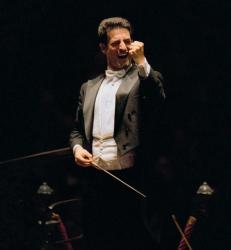
Hugo Warlich
 Germany
- Hugo Warlich: A Maestro's Journey
- Arrival in Russia and Rising Career
- Conducting Triumphs
- Love for Russian Music
- Post-Revolutionary Leadership
- Legacy and Impact
Hugo Warlich: A Maestro's Journey
Early Life and Musical BeginningsBorn in 1856 to a Czech family in Kassel, Hugo Warlich exhibited musical talent from an early age. He pursued piano and violin studies, showcasing his exceptional abilities.
Arrival in Russia and Rising Career
In 1874, Warlich joined the Mannheim Opera Orchestra as a principal violinist. During a tour, he traveled to Russia, captivated by its musical scene. He settled in St. Petersburg, performing in chamber quartets and gaining recognition as a gifted musician.
Conducting Triumphs
Warlich's talent and ambition propelled him into the realm of conducting. He led orchestras in prestigious venues such as Peterhof's Lower Park and the prestigious "Arcadia" in St. Petersburg. His dedication to challenging and innovative works set him apart.
Love for Russian Music
Warlich developed a deep affinity for Russian music, declaring in an interview with "Rech" newspaper: "I feel eternally connected to Russian music and believe it resonates most profoundly in its home." He championed works by Shostakovich, Rachmaninoff, and others through the "Musical News" symphony concerts.
Post-Revolutionary Leadership
After the October Revolution, Warlich's former придворный orchestra became the First State Symphony Orchestra. He was unanimously chosen to lead this prestigious ensemble. He also accepted a role as director of the Petrograd Red Army orchestras in 1919.
Legacy and Impact
Hugo Warlich's contributions to Russian music were significant. He nurtured the talents of emerging composers and led the first performances of groundbreaking works. His dedication to his craft and his love for Russian music left a lasting legacy on the musical landscape of the country.