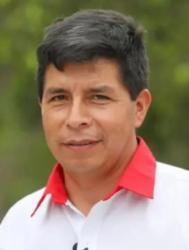
Iain Duncan Smith
 Great Britain
- Iain Duncan Smith: A Life of Military and Political Service
- Political Beginnings
- Leadership of the Conservative Party
- Ministerial Role
- Parliamentary Positions
Iain Duncan Smith: A Life of Military and Political Service
Early Life and Military CareerIain Duncan Smith (born 9 April 1954) is a British politician who served as Leader of the Conservative Party from 2001 to 2003 and as Secretary of State for Work and Pensions from 2010 to 2016. Born into a family with both military and artistic connections, Duncan Smith graduated from the Royal Military Academy Sandhurst and served in the Scots Guards in Rhodesia and Northern Ireland.
Political Beginnings
After unsuccessful attempts to enter Parliament in 1987, Duncan Smith was first elected to the House of Commons in 1992 as the MP for Chingford (later Chingford and Woodford Green). He entered the Shadow Cabinet in 1997 and became Shadow Secretary of State for Defence in 1999.
Leadership of the Conservative Party
Following the Conservatives' defeat in the 2001 general election, Duncan Smith was elected Leader of the Party, becoming Leader of Her Majesty's Opposition. Known for his eurosceptic views, his tenure as leader was marked by internal criticism of his lack of charisma. A scandal involving his wife's alleged payment for a non-existent job also contributed to his early departure. A vote of no confidence was passed against him in October 2003, and Michael Howard was elected as his successor.
Ministerial Role
In May 2010, Duncan Smith was appointed Secretary of State for Work and Pensions. During his time in this role, he oversaw significant reforms to the welfare system. He also campaigned to reduce immigration and raise welfare spending.
Parliamentary Positions
Throughout his parliamentary career, Duncan Smith voted in favor of the invasion of Iraq, the replacement of the Trident missiles, and the ban on smoking in public places. He opposed further integration of the UK into the European Union, the introduction of an elected House of Lords, and the extension of equal rights to same-sex couples.