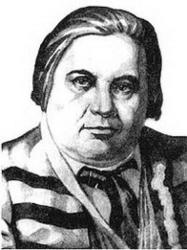
Igor Severyanin
- Igór-Severiánin: The Futurist Poet of the Silver Age
- Formative Years and Literary Influences
- Early Literary Career and Recognition
- Establishment of Ego-Futurism
- World War I and Emigration
- Life in Exile
- Later Years and Legacy
Igór-Severiánin: The Futurist Poet of the Silver Age
Igor-Severianin was a prominent Russian poet of the early 20th century, a key figure of the Silver Age of Russian Poetry. Known for his exuberant style and exploration of eccentric themes, he defied categorization and left an enduring mark on Russian literature.
Formative Years and Literary Influences
Born Igor Vasílievich Lotárev in Saint Petersburg on May 16, 1887, he adopted the pseudonym Igor-Severianin, which he stylized with a hyphen to emphasize its distinction from a surname. His father, a military engineer, died when Igor was 17, and his mother, also a writer, had literary connections to authors such as Afanasy Fet and Nikolai Karamzin.
Early Literary Career and Recognition
Igor-Severianin began writing poetry as a child, influenced by romantic poets like Konstantin Fofánov and Alexander Pushkin. In 1905, he published his first poem under his pseudonym in the magazine "Dosug i Delo." He self-published numerous pamphlets of poetry and, in 1907, met Fofánov, who became his mentor.
In 1909, a controversial poem in one of his pamphlets caught the attention of Leo Tolstoy, who publicly denounced it. This notoriety brought Igor-Severianin wider recognition and opened doors to broader publication opportunities.
Establishment of Ego-Futurism
In 1911, Igor-Severianin established the literary movement Ego-Futurism, characterized by its emphasis on individualism, optimism, and the celebration of the self. Notable proponents included Georgy Ivanov and Vadim Bayan. The group's anthology, "Gromokipíashchii Kubok" (Thunder-Boiling Cup), published in 1913 with a laudatory preface by Fyodor Sologub, cemented Igor-Severianin's reputation as a leading figure in the Russian avant-garde.
World War I and Emigration
The outbreak of World War I in 1914 initially inspired Igor-Severianin's patriotic fervor. However, he soon became disillusioned by the horrors of war and retreated into his own world of personal experiences. In 1918, he was elected "King of Poets" at a literary gathering in Moscow.
In 1920, Igor-Severianin emigrated to Estonia, where he remained for the rest of his life. He settled in the coastal village of Toila, where he continued to write and perform, gaining significant acclaim in the Estonian literary scene.
Life in Exile
Igor-Severianin's time in exile was marked by both literary success and personal challenges. He published numerous books of poetry, including the acclaimed "Solovei" (Nightingale) in 1923. However, his political neutrality and his satirical writings against the émigré community alienated some of his former supporters.
He married Felissa Kruut in 1922, a union that lasted 16 years and provided him with stability and support. However, the marriage ended in 1935, which Igor-Severianin later described as a tragic mistake.
Later Years and Legacy
Igor-Severianin's later life was characterized by financial difficulties and declining recognition. The outbreak of World War II in 1939 further isolated him. He died in occupied Tallinn on December 20, 1941, and was buried in the Alexander Nevsky Cemetery.
Despite his brief life, Igor-Severianin's literary legacy remains significant. His experimental style, playful imagery, and enduring themes of love, beauty, and the human condition continue to resonate with readers and inspire literary scholars. His most famous line, "Kak khoroshy, kak sveži búdut rózy, Moyéi stranóĭ mné bróshennyie v grob!" (How lovely, how fresh will be the roses, Thrown into my grave by my country!), has become an enduring symbol of his artistic spirit and his enduring place in Russian literature.