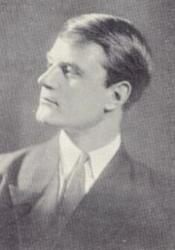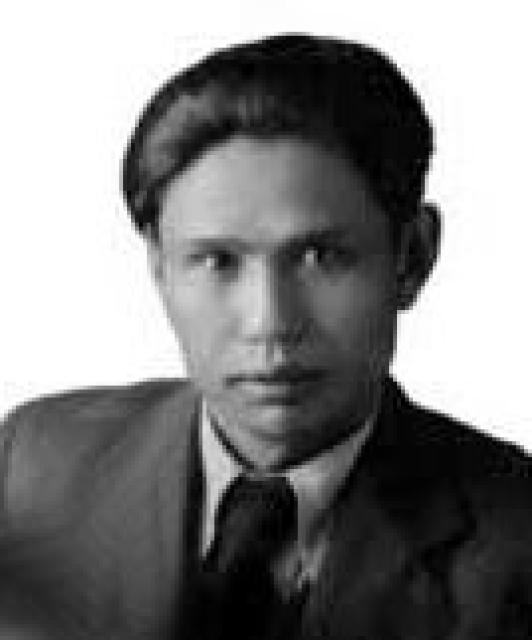
Ilyas Esenberlin
 Kazakhstan
Biography of Ilyas Yesenberlin
Ilyas Yesenberlin was a prominent Kazakh writer. He was born in 1915 in the village of Karaotkel, in what is now Kazakhstan. Yesenberlin completed his education at the Kazakh Mining and Metallurgical Institute in 1940.
World War II and Repression
During World War II, Yesenberlin served in the front lines and was severely wounded. In 1942, he returned to Kazakhstan and continued his literary pursuits. From 1947 to 1951, Yesenberlin worked in the apparatus of the Central Committee of the Communist Party of Kazakhstan. In 1947, he was appointed as the director of the Kazakh State Philharmonic.
However, Yesenberlin's career was marred by political repression. He was arrested and imprisoned in 1951 but was released in 1953. Despite the difficult times, he continued to contribute to the literary world.
Literary Career
After his release, Yesenberlin worked in the Ministry of Geology of the Kazakh SSR and later became the head of the Bersugirskaya Mine. In the late 1950s and early 1960s, he served as the editor of the screenplay and editorial board at the Kazakhfilm Studio. He then worked as an editor at the Kazgoslitizdat publishing house until 1967, after which he became the director of the publishing house "Zhazushy." He later served as the secretary of the Board of the Union of Writers of Kazakhstan.
Yesenberlin began publishing his own works in 1945, starting with collections of poems and verses. He later ventured into playwriting, with his play "Struggle in the Mountains" being performed at the Republican Theater for Young Spectators. He also translated works by Russian author K.D. Ushinsky into Kazakh.
In 1969, Yesenberlin wrote the historical novel "Khan Kene," followed by "The Enchanted Sword" in 1971 and "Desperation" in 1973. These novels were later combined into a trilogy called "Nomads," which depicted the formation of the Kazakh people and their complex relationships with various empires and states, including the Jungar Khanate, China, Khiva, and the Russian Empire. The trilogy was adapted into a film titled "Nomad."
Yesenberlin continued to write prolifically, later creating the "Golden Horde" trilogy, consisting of the novels "Six-Headed Aidahar," "The Six Heads of Aidahar," and "The Fall of Aidahar." His books have been translated into numerous languages and have been published in large print runs. Yesenberlin's historical novels are considered significant contributions to Kazakh culture.
Awards and Recognition
Throughout his career, Yesenberlin received numerous awards and honors. He was awarded the Order of the Red Banner of Labor and the Order of Honor. He also received medals for his military service, including the Medal "For Battle Merit" and the Medal "For the Defense of Leningrad." In 1968, he was awarded the State Prize of the Kazakh SSR for his novel "Struggle."
Ilyas Yesenberlin's literary legacy continues to inspire and captivate readers both in Kazakhstan and around the world.