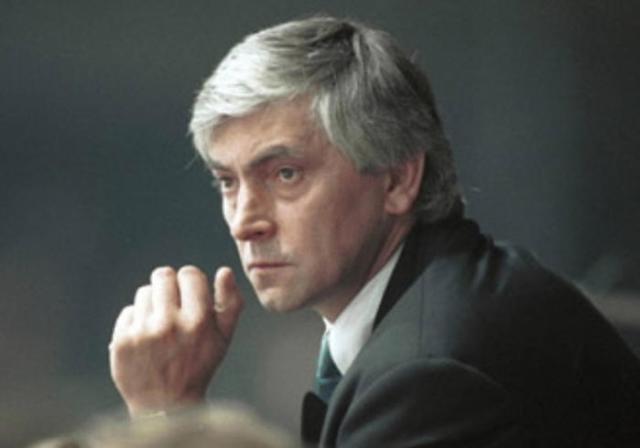
Ivan Glinka
- Ivan Hlinka: A Legendary Czechoslovak Ice Hockey Icon
- International Success and Rivalries with the Soviet Union
- Coaching Career
- Stint in the NHL and the "Penguins" Era
- Arrival in Siberia and Challenges at "Avangard"
- Adversity and Triumph
- Legacy and Impact
Ivan Hlinka: A Legendary Czechoslovak Ice Hockey Icon
Early Life and Career in CzechoslovakiaIvan Hlinka, a renowned Czechoslovak ice hockey legend, emerged from humble beginnings. Born in Most, Czechoslovakia, on January 20, 1950, Hlinka's exceptional talent on the rink was evident from a tender age.
Hlinka honed his skills at HC Litvínov, the local hockey team. He made his professional debut in 1968 and quickly established himself as one of the top players in the Czechoslovak League. Hlinka's remarkable offensive prowess earned him 14 championship titles with Litvínov, cementing his status as a formidable force in the sport.
International Success and Rivalries with the Soviet Union
Hlinka's exceptional abilities extended to the international stage. He represented Czechoslovakia at numerous World Championships and Olympic Games, earning a gold medal at the 1972 World Championship and a silver medal at the 1976 Olympics.
Hlinka's memorable rivalry with the Soviet Union, considered the dominant hockey nation at the time, added an extra layer of intrigue to his career. Notably, he scored the winning goal against the Soviet Union in the 1977 "Prize of the Izvestia" tournament, marking a rare victory over the superpowers.
Coaching Career
After retiring as a player in 1988, Hlinka transitioned into a successful coaching career. He guided the Czech national team to a bronze medal at the 1992 Winter Olympics and a silver medal at the 1998 Winter Olympics.
Stint in the NHL and the "Penguins" Era
Hlinka's coaching credentials extended to the National Hockey League (NHL), where he joined the Pittsburgh Penguins as an assistant coach in 1994. His innovative tactics and exceptional leadership contributed to the Penguins' success, including the team's back-to-back Stanley Cup victories in 1991 and 1992.
Arrival in Siberia and Challenges at "Avangard"
In 2003, Hlinka accepted the challenge of coaching the "Avangard" team in Omsk, Siberia. However, the team's performance under his leadership initially fell short of expectations, prompting rumors of his potential dismissal.
Despite the early setbacks, Hlinka remained optimistic. He identified deficiencies in the team's defense and vowed to improve their performance. His commitment to building a strong foundation extended beyond tactics, as he emphasized the importance of maintaining good relations with his players and fostering a positive team atmosphere.
Adversity and Triumph
Hlinka's tenure at "Avangard" was not without adversity. The team faced several challenging setbacks and enduring lengthy flights between far-flung Russian cities. However, Hlinka maintained his resolve, instilling a sense of determination in his players.
The team's fortunes gradually improved, and they emerged as a formidable force in the Russian Superleague. Hlinka's strategic vision and unwavering belief in his players paid off, leading "Avangard" to their first-ever Gagarin Cup victory in 2004.
Legacy and Impact
Ivan Hlinka's contributions to the sport of ice hockey are immeasurable. His exceptional skills as a player and his innovative coaching strategies left an enduring mark on the game. He was a true pioneer, bringing new ideas and techniques to both the European and North American leagues.
Hlinka's passing on August 16, 2004, at the age of 54, shocked the hockey world. However, his legacy continues to inspire future generations of players and coaches. The Ivan Hlinka Memorial Tournament, an annual youth hockey tournament held in his honor, serves as a testament to his enduring impact on the sport.


