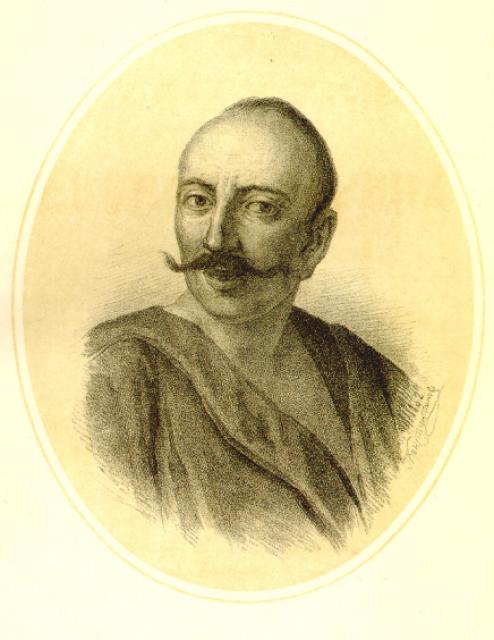
Ivan Gonta
- Ivan Gonta: A Ukrainian Cossack Leader
- Leadership in the Haidamak Uprising
- Capture, Trial, and Execution
- Legacy
- Impact on Literature and Culture
- Absolution and Redemption
Ivan Gonta: A Ukrainian Cossack Leader
Early Life and CareerIvan Gonta was born into serfdom in the village of Rossoshky, part of the Potocki estate near Uman. In 1757, he rose to the rank of captain of the Potocki's court Cossacks.
Leadership in the Haidamak Uprising
Gonta became a prominent figure in the Ukrainian Haidamak movement, advocating for Cossack autonomy and the end of serfdom. In 1768, he led the Koliivshchyna uprising against Polish rule.
Capture, Trial, and Execution
After Russian forces betrayed Gonta, he was captured and handed over to the Poles. He was sentenced to a gruesome execution by a special ecclesiastical tribunal. During the ten days of torture, Gonta endured incredible pain until he was finally beheaded on the third day of his punishment.
Legacy
Gonta's legacy is immortalized in the poem "Haidamaki" by Taras Shevchenko. To escape persecution, his family changed their names, but his descendants still live in Ukraine today.
Impact on Literature and Culture
Ukrainian writer and statesman Michał Czajkowski, born near the site of the Koliivshchyna, recorded the events in his memoirs. Czajkowski's accounts provide valuable insights from those who witnessed the uprising firsthand.
Absolution and Redemption
In Czajkowski's memories, the son of the Uman governor, a godson of Gonta, absolved the Cossack leader of responsibility for the violence, blaming the Polish nobility instead. Gonta's story serves as a reminder of the complex forces that shaped Ukraine's history.


