Jacques-Emile Blanche
 France
- Jacques-Émile Blanche: A French Artist and Writer
- Artistic Career
- Notable Works
- Parisian and London Salons
- Literary Contributions
- Later Years and Achievements
Jacques-Émile Blanche: A French Artist and Writer
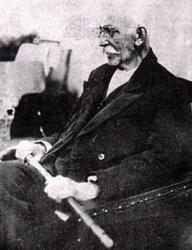
Early Life and InfluencesBorn in Paris in 1861, Jacques-Émile Blanche was the son of renowned psychiatrist Émile Antoine Blanche. Raised in the home of Princess de Lamballe, he immersed himself in an atmosphere of 18th-century elegance and refinement, which deeply influenced his artistic sensibilities. Despite brief lessons with Henri Gervex and Fernand Humbert, Blanche remained largely self-taught.
Artistic Career
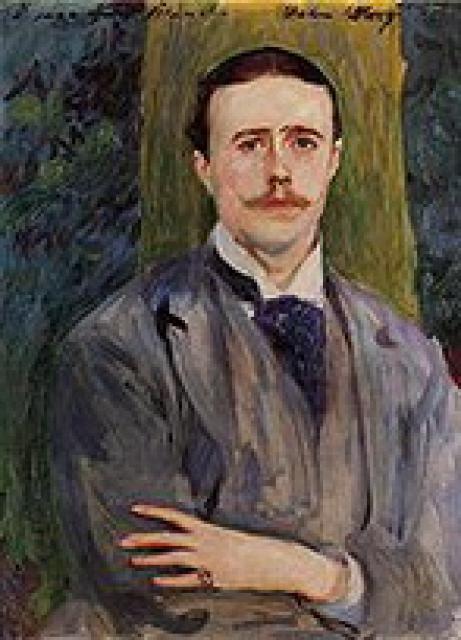
Blanche emerged as a sought-after painter within elite circles during the late 19th century. His canvases, created during the Belle Époque and Roaring Twenties, captured the glamour and vibrancy of his surroundings. While technically accomplished, some critics have noted a lack of originality in his work. His portraits, with their soft brushwork and muted palette, evoke Édouard Manet and 18th-century British artists like Thomas Gainsborough. Blanche also drew inspiration from contemporaries such as James Tissot and John Singer Sargent.
Notable Works
Among Blanche's most acclaimed works are intimate sketches such as "Head of a Young Girl." His pastels from the 1880s-1890s, exemplified by his portrait of poet Georges de Porto-Riche, are particularly noteworthy. His iconic portraits include those of his father, poet Pierre Louÿs, painter Fritz Thaulow, and his children, along with Aubrey Beardsley and Yvette Guilbert.
Parisian and London Salons
Blanche exhibited at the Salon from 1882 to 1889 and at the Société Nationale des Beaux-Arts from 1890. Beginning in 1884, he regularly traveled to London to great success. Mrs. Saxton Noble and Violet Manners, Duchess of Rutland, were among his notable British patrons.
Literary Contributions
In addition to his painting, Blanche was an accomplished art critic. He published "Propos de peintres" (1919-1928), "De David à Degas" (1919), "Cahiers d'un artiste" (1920), and "Les Arts plastiques" (1931). Blanche also wrote the preface to Aubrey Beardsley's "Under the Hill."
Later Years and Achievements
Despite a rift with his former patron Robert, Comte de Montesquiou, Blanche remained a central figure in Parisian society. He frequented the salon of Geneviève Halévy and befriended notable musicians, writers, and artists of the era. He was elected to the Académie des Beaux-Arts in 1935. Jacques-Émile Blanche passed away in 1942, leaving a lasting legacy as a versatile and influential figure in the artistic and cultural landscapes of his time.