James Stuart
 USA
USABiography of James Stuart
Early YearsJames Ewell Brown "Jeb" Stuart, the legendary Confederate cavalry commander, was born on February 6, 1833, in Patrick County, Virginia. He came from a long line of distinguished Virginians, with ancestors who had served in the military and held prominent positions in government. Stuart's childhood and youth were spent in pursuit of education, attending Emory and Henry College and later the United States Military Academy at West Point, where he graduated 13th in his class in 1854.
Military Career
After graduating from West Point, Stuart served in Texas against the Apache Indians as a second lieutenant in the Mounted Rifles. He was later transferred to the newly formed 1st Cavalry Regiment at Fort Leavenworth. In November 1855, Stuart married Flora Cooke, the daughter of Colonel Philip St. George Cooke, and they settled in Kansas. During this time, Stuart was wounded in battle with Native Americans near Solomon's River but managed to lead his men back to safety through 200 miles of desert without a compass, map, or scouts.
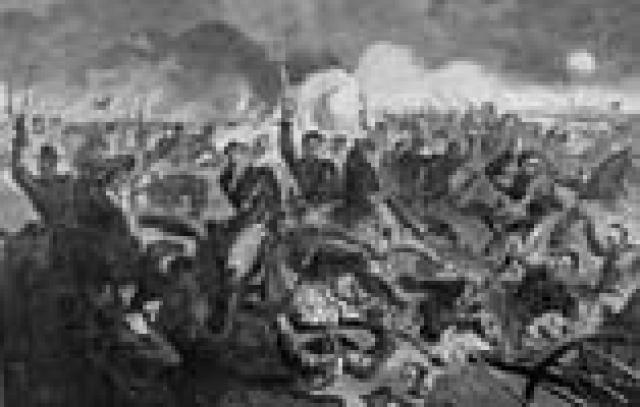
In April 1861, Stuart resigned from the United States Army and joined the Confederate States Army. He quickly rose through the ranks, becoming a brigadier general in September 1861 and a major general in July 1862. Stuart's cavalry played a crucial role in many battles, including the First Battle of Bull Run, the Peninsula Campaign, and the Battle of Antietam. His daring raids and strategic maneuvers earned him a reputation as one of the most skilled cavalry commanders of the Civil War.
Legacy
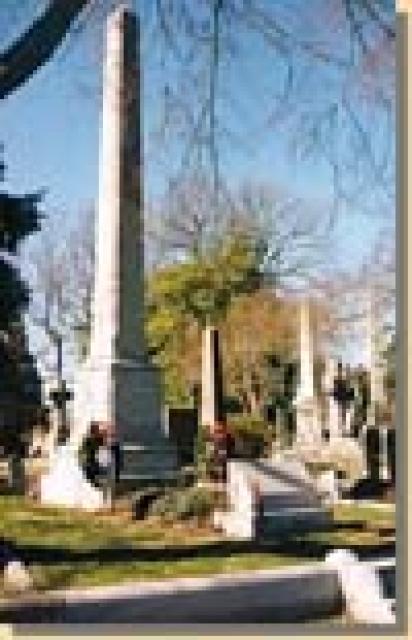
James Ewell Brown Stuart, known as Jeb Stuart, was a beloved figure in the South during the Civil War. His gallantry, bravery, and chivalry evoked the image of a knight from a bygone era. He was adored by his men and respected by his superiors for his military acumen. Stuart's untimely death on May 12, 1864, at the Battle of Yellow Tavern, shocked and saddened the Confederate forces. He was mourned as a national hero in the South, with his memory living on as the epitome of the ideal cavalryman. Today, Stuart's body rests at a cemetery in Richmond, Virginia, the former capital of the Confederacy.