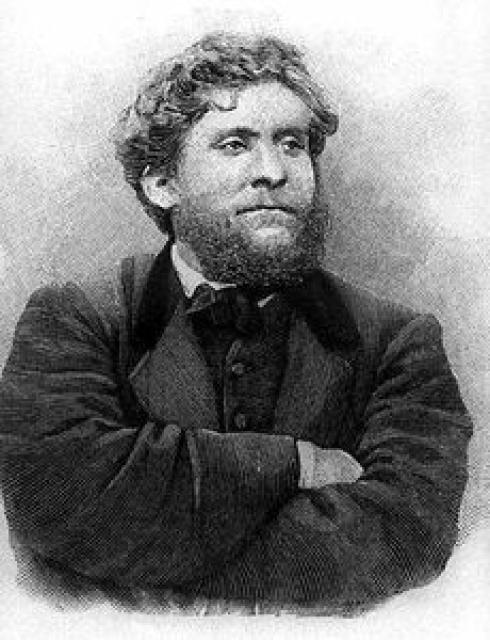
Jan Jores
 France
- Jean Jaurès: A Legendary Socialist Pacifist
- Political Career
- The Dreyfus Affair
- Socialist Leader
- Syndicalism and Internationalism
- The Bloc of the Left
- Opposition and Assassination
- Legacy
- Historical Contributions
Jean Jaurès: A Legendary Socialist Pacifist
Early Life and EducationJean Jaurès was born on September 3, 1859, in Castres, France. He graduated from the prestigious École Normale Supérieure in Paris and subsequently held a professorship at the University of Toulouse.
Political Career
Jaurès entered politics as a radical and idealist, but his views gradually shifted toward socialism. In 1885, he was elected to the Chamber of Deputies, where he initially sat as an independent left-center politician.
The Dreyfus Affair
In 1897, Jaurès became a prominent advocate for Captain Alfred Dreyfus, a Jewish officer falsely accused of treason. Alongside Émile Zola and Georges Clemenceau, he played a pivotal role in Dreyfus's eventual exoneration.
Socialist Leader
Jaurès emerged as a renowned socialist leader after being elected as a socialist candidate in 1892. He advocated for "social hatred" as a transformative force, but remained opposed to dogmatism and sought to unite socialist factions.
Syndicalism and Internationalism
Jaurès supported the growth of trade unions and emphasized the need for international cooperation among workers. He opposed the militarism of the German Social Democratic Party and advocated for a liberal republic in France.
The Bloc of the Left
In 1899, Jaurès was instrumental in forming the "Bloc of the Left," a coalition of socialist, radical, and republican parties that supported the government of Pierre Waldeck-Rousse and René Viviani.
Opposition and Assassination
Despite his popularity, Jaurès faced criticism from both the right and left. He was accused of being too conciliatory towards the bourgeoisie and too friendly with Germany. On July 31, 1914, on the eve of World War I, Jaurès was assassinated by a French nationalist in Paris.
Legacy
Jaurès's assassination made him a martyr for the peace movement. His name became synonymous with pacifism and the rejection of war. Streets, squares, and schools in France and other countries were named in his honor.
Historical Contributions
Jaurès was a gifted orator and a prolific writer. His writings on history, philosophy, and politics continue to be highly respected. He was a complex and influential figure who played a significant role in French and international politics during a transformative period in history.