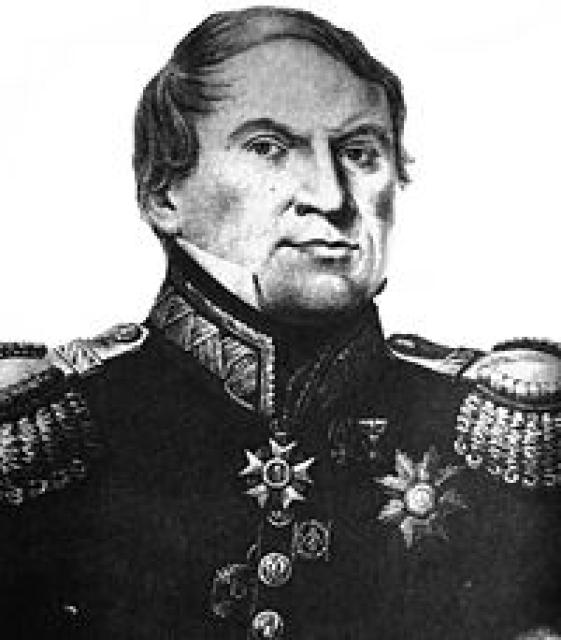
Jan Krukowiecki
 Poland
Jan Krukowiecki (December 15, 1772–April 17, 1850) was a Polish general and political leader whose long military career spanned the Napoleonic era and the November Uprising of 1830–31. He served in several armies as Poland’s political status changed, then became governor of Warsaw and head of the Polish National Government in the uprising’s final weeks. His role in the capitulation of Warsaw remains one of the most disputed episodes of the revolt.
Early life and military service
Krukowiecki was born in Lwów, then part of the Habsburg monarchy, into a noble family. He studied at the Theresian Military Academy in Vienna and began his military service in the Austrian army. In 1794, protesting Austria’s actions against the Polish uprising led by Tadeusz Kościuszko, he resigned his commission.
He later entered the service of the French and Polish forces allied with Napoleon. He served in the armies of the Duchy of Warsaw and took part in campaigns including Napoleon’s 1812 invasion of Russia. After Napoleon’s defeat, Krukowiecki continued his career in the army of the Kingdom of Poland, which was ruled by the Russian tsar. He rose to the rank of general of division and held senior infantry commands.
The November Uprising
When the November Uprising against Russian rule began in 1830, Krukowiecki joined the Polish side and commanded troops in the conflict. He was appointed governor of Warsaw in August 1831, as Russian forces approached the capital and the uprising faced a severe military and political crisis.
On August 17, he became president of the National Government and commander-in-chief, receiving broad authority. His leadership was contentious. He moved to suppress the radical Patriotic Society and pursued negotiations with the Russian commander, Field Marshal Ivan Paskevich, while Warsaw’s defenses were under pressure. Critics regarded his approach as overly cautious and argued that he weakened the resistance; others have emphasized the military danger facing the city and his attempts to secure terms.
Russian troops captured Warsaw on September 8, 1831, after a major assault. Krukowiecki’s decision to negotiate and the terms of surrender made him a symbol of the uprising’s defeat. The controversy over whether the city could have been defended longer, and whether surrender was a pragmatic choice or a failure of leadership, continued in later accounts of the revolt.
Exile and later years
After the uprising collapsed, the Russian authorities sent Krukowiecki into exile. He was first confined in Yaroslavl and later lived in Vologda before being allowed to return to the Kingdom of Poland. He withdrew from active military and political life and spent his final years away from public office.
Krukowiecki died in 1850. His biography reflects the difficult choices facing Polish officers and political leaders in an era of partitions, shifting allegiances and repeated attempts to restore independence. He is remembered both for his service in the Napoleonic wars and for the contested decisions he made as Warsaw fell during the November Uprising.


