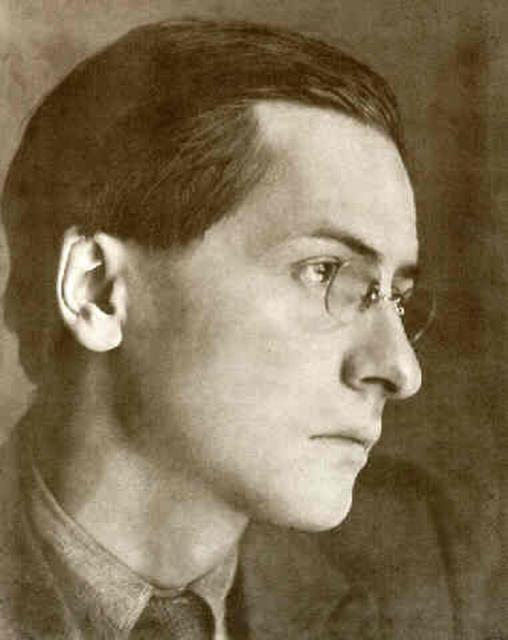
Jean Charlot
 France
- Jean Charlot: A Titan of 20th-Century Mexican Art
- Emigration to Mexico and Influence on Muralism
- Landmark Fresco Compositions
- Archaeological Explorations and Publications
- Move to the United States and Teaching Career
- Literary Legacy and Other Artistic Contributions
- Recognition and Legacy
Jean Charlot: A Titan of 20th-Century Mexican Art
Early Life and Artistic TrainingJean Charlot was born on February 7, 1898, in France. He studied at the École des Beaux-Arts in Paris, laying the foundation for his future artistic pursuits. From 1917 to 1920, he served as a lieutenant of artillery in the French army.
Emigration to Mexico and Influence on Muralism
After the war, Charlot emigrated to Mexico in 1920. There, he joined a group of artists known as the "Mexican Muralists," which included Diego Rivera, José Clemente Orozco, and David Alfaro Siqueiros. These artists were commissioned by the then Minister of Education, José Vasconcelos, to create large-scale murals that would inspire national pride and promote social change.
Charlot's unique background, combining his knowledge of art history, various painting techniques, and an understanding of architecture, played a significant role in shaping the Mexican muralist style. He emphasized a blend of modernity and tradition in his works.
Landmark Fresco Compositions
Charlot's most famous frescoes include "The Conquest of Tenochtitlan" (1922-1923), "The Washerwomen" (1923), and "The Porter" (1923), all located in Mexico City. These works showcased Charlot's masterful handling of the fresco technique.
Archaeological Explorations and Publications
In 1926, Charlot became a staff artist for the Carnegie Archaeological Expedition in Chichen Itza. His research culminated in the publication of the monograph "The Temple of the Warriors" (1925).
Move to the United States and Teaching Career
Charlot moved to the United States in 1929. He taught at prestigious institutions such as the Art Students League of New York, the Colorado Springs Fine Arts Center, and various colleges and universities. In 1949, he became a professor at the University of Hawaii.
Literary Legacy and Other Artistic Contributions
Beyond his monumental murals, Charlot was also an accomplished writer and historian. He authored over 65 books and articles, including "Charlot's Murals in Georgia" (1945), "Art from Maya to Disney" (1939), and "Mexican Handicrafts from Mexico to China" (1950). He created designs for nearly 40 murals, including notable works in the University of Georgia, St. Brigid's Church in New York City, and several others.
Recognition and Legacy
Charlot's artistic contributions were recognized through a two-year Guggenheim Fellowship (1945-1947) and honorary degrees from Grinnell College and St. Mary's College. He passed away in Honolulu on March 20, 1979.
Jean Charlot's legacy as a master of Mexican painting continues to inspire generations of artists and art enthusiasts. His murals, writings, and teachings have left an indelible mark on the cultural landscape of both Mexico and the United States.