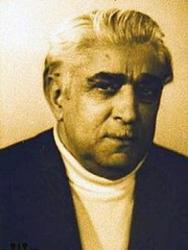
Jean Vilar
 France
- Jean Vilar: French Theatrical Innovator and Festival Founder
- Theatrical Beginnings
- The Avignon Festival
- The National Popular Theatre (TNP)
- Theatre Reform
- The Avignon Festival as TNP's Showcase
- Collaborations and Repertoire
- Later Years and Legacy
Jean Vilar: French Theatrical Innovator and Festival Founder
Early Life and EducationBorn in Sète, France, Jean Vilar's early aspirations were to become a violinist. However, his path took a different turn, leading him to study philology and philosophy in Paris. He later enrolled in a theater course taught by renowned actor Charles Dullin.
Theatrical Beginnings
Vilar made his stage debut in 1935 with Dullin's "Theatre Atelier." During World War II, he worked in a traveling theater and founded his own company in 1943. His groundbreaking production of T.S. Eliot's "Murder in the Cathedral" (1945) became a critical and popular success.
The Avignon Festival
In 1947, Vilar established the Semaine d'Art Dramatique (Dramatic Art Week) at the Palais des Papes in Avignon. This event later evolved into the renowned Avignon Festival, which Vilar directed until 1971. The festival became known for its unique atmosphere and focus on audience engagement.
The National Popular Theatre (TNP)
Following the success of the Avignon Festival, Vilar was appointed director of the National Popular Theatre (TNP) in Paris from 1951-1963. He implemented innovative practices, such as reducing ticket prices, incorporating politics into performances, and showcasing young actors like Gérard Philipe.
Theatre Reform
Vilar's approach to theater was revolutionary. He believed in democratizing the art form by making it accessible and relevant to wider audiences. He emphasized the importance of classical works, stripped-down sets, and the power of lighting and costumes.
The Avignon Festival as TNP's Showcase
From 1952-1966, the Avignon Festival exclusively featured TNP productions. Vilar aimed to create a seamless connection between the festival and the Paris stage, transferring successful Avignon performances to the Palais de Chaillot in Paris.
Collaborations and Repertoire
Vilar collaborated with esteemed artists and included renowned modern works, such as Bertolt Brecht's "Mother Courage and Her Children," in the TNP's repertoire. He also championed French classics, as well as plays by international playwrights like Shakespeare and Calderón.
Later Years and Legacy
After leaving the TNP in 1963, Vilar continued to direct opera productions and plan Avignon Festivals. He died in Paris in 1971, leaving behind an enduring legacy as a visionary theater innovator. Vilar's impact on the French theater landscape and his pioneering ideas continue to inspire generations of artists and audiences alike.