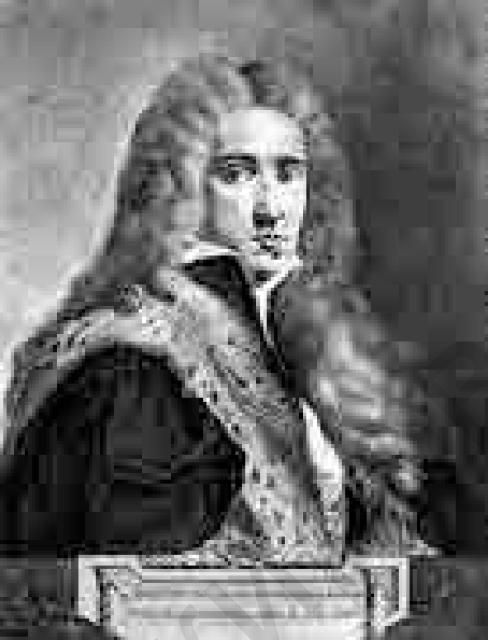
Johann Georg Wirsung
 Germany
- Georg Wirsung: The Anatomist Who Discovered the Pancreas
- Early Life and Career:
- Discovery of the Pancreas Duct:
- Controversy Over the Discovery:
- Andre Argoli's Reference to Wirsung:
- Tragic Death:
- Legacy:
Georg Wirsung: The Anatomist Who Discovered the Pancreas
Georg Wirsung, a German anatomist, made significant contributions to the field of anatomy during his time.
Early Life and Career:
Wirsung served as a prosector in Padua for an extended period. During his tenure at the university, he gained recognition for his groundbreaking discovery in 1642.
Discovery of the Pancreas Duct:
In March 1642, Wirsung performed an autopsy on Zuane Viaro della Badia, a convicted murderer. In the presence of two students, Thomas Bartholin and Moritz Hoffman, Wirsung identified a duct in the pancreas, which later became known as the "ductus pancreaticus" or the "Wirsung duct."
Controversy Over the Discovery:
Five years after Wirsung's death, Hoffman claimed to have discovered the pancreatic duct in a turkey hen in 1641. However, no evidence supported his assertion. Wirsung's discovery remained the acknowledged finding, documented on a rare copper plate inscription in the anatomical room of Vesling in Padua.
Andre Argoli's Reference to Wirsung:
In his 1644 publication, Andrea Argoli, a mathematics professor at the University of Padua, cited an experienced anatomist named Johann Georg Verden who conducted experiments to measure blood volume expelled from the left ventricle of dogs. Verden was later identified as Georg Wirsung.
Tragic Death:
Wirsung's life was cut short in a tragic incident. He was murdered outside his residence, allegedly due to a dispute over the credit for discovering the pancreatic duct. Giacomo Cambier, a Belgian student, was identified as the perpetrator.
Legacy:
Wirsung's contributions to anatomy continue to be celebrated today. The Wirsung duct is a crucial anatomical structure in the pancreas, and his discovery has advanced our understanding of the organ's function. His legacy lives on in the field of anatomy as a testament to his pioneering work.