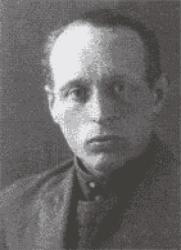
John Atkinson Grimshaw
 Great Britain
- John Atkinson Grimshaw: A Victorian Landscape Painter
- Early Career and Influences
- Later Years and Legacy
John Atkinson Grimshaw: A Victorian Landscape Painter
John Atkinson Grimshaw was a renowned painter of the Victorian era, best known for his cityscapes that captured the essence of fog and twilight. He was born on September 6, 1836, in Leeds. In 1856, he married his cousin Frances Hubbard (1835-1917). Despite his parents' wishes, Grimshaw quit his job as a clerk in a railway company in 1861 to pursue painting.
Early Career and Influences
Grimshaw began exhibiting his works in 1862 under the auspices of the Philosophical and Literary Society of Leeds. His early paintings primarily featured birds, as well as still lifes with flowers and fruits. It was during the 1870s that he gained recognition as an artist and was able to lease a house in Scarborough, North Yorkshire.
The Pre-Raphaelites greatly influenced Grimshaw's artistic style. He started painting intricately detailed landscapes, meticulously selecting lighting and colors. His works often depicted scenes specific to certain seasons or weather conditions. Grimshaw's signature pieces comprised views of streets, suburbs, and moonlit landscapes in cities such as London, Leeds, Liverpool, and Glasgow. He successfully captured the effects of lighting, which added mood and atmosphere to his paintings. Critics noted that his depictions of gas-lit streets and misty waterfronts evoked both warmth and alienation in urban landscapes.
Later Years and Legacy
In the 1880s, Grimshaw worked in his London studio in Chelsea, near James McNeill Whistler's studio. Whistler, upon discovering Grimshaw's work, claimed that he had invented the nocturne in painting before Whistler himself. However, Grimshaw's realistic, almost photorealistic landscapes differed substantially from Whistler's symbolic nocturnes.
Grimshaw's art adapted the traditional rural moonlit landscapes to an urban setting, capturing the city rain and fog, thus creating an image of Victorian city life. Despite his artistic success, Grimshaw left no written legacy in the form of letters, articles, or books. He passed away on October 13, 1893, in Leeds.
His works were largely forgotten until the second half of the 20th century when several major exhibitions renewed interest in his art. The largest collection of Grimshaw's works can be found in the Leeds City Art Gallery.