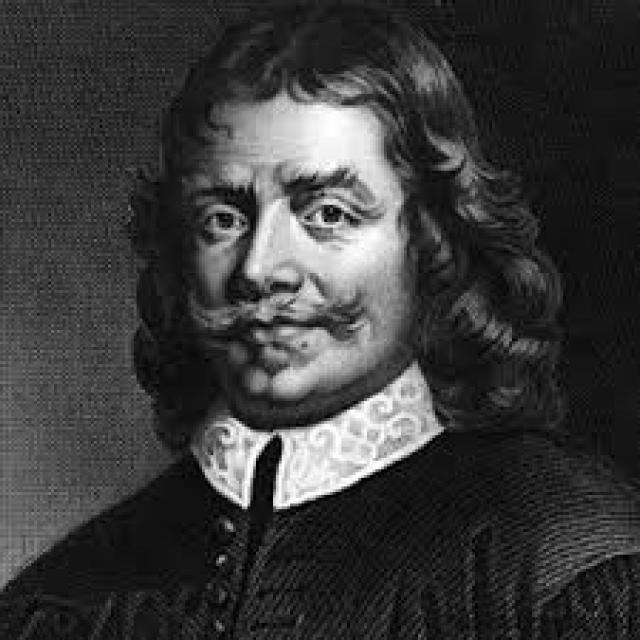
John Benian
 Great Britain
- Early Life and Religious Awakening
- Transformation and Preaching
- Imprisonment and Literary Contributions
- "The Pilgrim's Progress"
- Allegorical Masterpieces
- Legacy and Impact
Early Life and Religious Awakening
John Bunyan, a renowned English writer and preacher, was born in the late 1600s into a humble family. He received basic education but later became a tinker and brazier, following in his father's footsteps. During the English Civil Wars, he served in the Parliamentarian army from 1644 to 1646.
Transformation and Preaching
After returning home, Bunyan married but soon gained notoriety as a blasphemer, profane person, and absentee churchgoer. Inspired by his wife and the influence of John Gifford, a Nonconformist minister, Bunyan underwent a profound spiritual transformation. He began contemplating his sins and经历 periods of despair and remorse.
Imprisonment and Literary Contributions
In 1656, Bunyan became a member of a Nonconformist congregation and began preaching without formal authorization. He published his first book, "Some Gospel Truths Opened," the same year. In 1660, he married again and published "The Doctrine of the Law and Grace Unfolded." However, with the restoration of the monarchy and the passage of laws against Nonconformist preaching, Bunyan was arrested in November 1660 and imprisoned for 12 years.
"The Pilgrim's Progress"
During his incarceration, Bunyan wrote numerous religious works, including his most famous, "Grace Abounding to the Chief of Sinners" (1666), an autobiography recounting his spiritual struggles. Following his release in 1672, Bunyan preached extensively in Bedford, but was imprisoned again in 1675. It is believed he wrote "The Pilgrim's Progress" during this second imprisonment.
Allegorical Masterpieces
Bunyan's later works established him as a master of allegorical religious literature. "The Pilgrim's Progress" (1678) follows Christian's perilous journey to the Celestial City, encountering trials and temptations along the way. "The Life and Death of Mr. Badman" (1680) portrays the life of a hypocritical and unrepentant sinner. "The Holy War" (1682) allegorizes the struggle between Satan and God for control of the human soul. "The Pilgrim's Progress, Part II" (1684) follows Christiana and her children on their own journey to the Celestial City.
Legacy and Impact
Bunyan's works were widely read by Nonconformists and others who opposed the established church and state. "The Pilgrim's Progress" became an instant bestseller, with over a dozen editions published within the first decade. It has been translated into more than 100 languages and is considered a classic of English literature, showcasing Bunyan's literary talent and profound understanding of the human condition.


