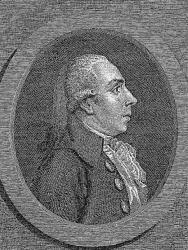
John Bradshaw
 Great Britain
- John Bradshaw: English Jurist and Statesman
- Early Life and Career
- Rise to Prominence
- Presidency and Republicanism
- Post-Cromwell and Death
- Legacy and Significance
John Bradshaw: English Jurist and Statesman
John Bradshaw was a prominent English jurist and political figure during the English Revolution.
Early Life and Career
Born into a wealthy family, Bradshaw studied law and eventually became a successful attorney. In the early stages of the revolution, he aligned himself with the Parliamentarians.
Rise to Prominence
In 1646, Parliament appointed Bradshaw as Commissioner of the Great Seal. Three years later, he became Lord President of the Court that sentenced King Charles I to death. As a reward for his services, Bradshaw received significant property grants and the title of Chancellor of the Duchy of Lancaster.
Presidency and Republicanism
Subsequently, Bradshaw served as President of the Council of State for the republic established by Parliament. In 1653, he staunchly opposed Richard Cromwell's attempt to dissolve the Council. During Cromwell's rule, Bradshaw remained a vocal critic, continuing to advocate for republican ideals.
Post-Cromwell and Death
Following Richard Cromwell's death, Bradshaw rejoined the Council of State. However, his health declined, and he passed away in 1659. Initially buried in Westminster Abbey, his remains were later exhumed by the restored monarchy, decapitated, and interred near a gallows.
Legacy and Significance
John Bradshaw played a significant role in the English Revolution and the establishment of the Commonwealth. His conviction of King Charles I remains a controversial event in British history, but he is also remembered for his legal acumen and unwavering republicanism.