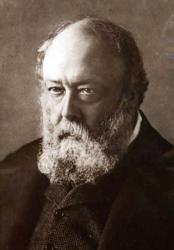
Jose de Anchieta
 Brazil
Biography of José de Anchieta
José de Anchieta was a Jesuit missionary from the Canary Islands. He was born on the island of Tenerife in a wealthy family. His father, Juan Lopez de Anchieta, fled to Tenerife from the Basque Country due to his involvement in a failed uprising against King Carlos I of Spain. José's mother, Mencia Diaz de Clavijo y Llarena, came from a wealthy Jewish family. José was the third of ten children in his family.
José received his early education from Dominican monks and felt a religious calling from a young age. He, along with his half-brother Pedro Núñez and his brother Cristóbal, joined the Jesuits. Due to his Jewish heritage, José was sent to study in Portugal instead of Spain, as the Inquisition in Portugal was not as severe. He studied philosophy at the Jesuit College of Arts in Coimbra, where he received a Renaissance education with a focus on philology and literature. In 1551, José took a vow of chastity and joined the Society of Jesus.
In 1553, José and a group of Jesuit missionaries were sent to Brazil to evangelize the indigenous population. They arrived in São Vicente and later settled in Piratininga, where they established the College of São Paulo. José dedicated himself to the education and Christianization of the indigenous people, and the college became a thriving settlement. He also learned the Tupi language and wrote the first grammar of the language.
In 1563, José and the Jesuits faced a conflict with the indigenous confederation known as the "Tamoyo." José played a crucial role in negotiating peace and preventing further attacks on São Vicente. He spent several months as a voluntary hostage, ensuring the success of the negotiations. This resulted in the signing of the Iperoig Peace Treaty, the first peace treaty between Europeans and indigenous people in the New World.
José continued his missionary work and traveled extensively throughout Brazil, despite his frail health. He founded settlements and established missions, dedicating himself to the well-being and education of the indigenous people. He wrote poetry, plays, and historical works, becoming the first recognized Brazilian writer. His most famous work is the epic poem "Poema da Virgem" (Poem of the Virgin), which he composed during his captivity among the Tamoyo.
In 1577, José became the provincial superior of the Society of Jesus in Brazil, a position he held for ten years. He continued his travels and missionary work until his retirement in 1595. José settled in Reritiba, where he passed away two years later. He was mourned by thousands of indigenous people who admired his efforts to protect their lives and dignity.
José de Anchieta was beatified by Pope John Paul II in 1980, recognizing his immense contributions to the enlightenment and Christianization of the Brazilian indigenous population. He is still revered as a saintly figure, and there are ongoing efforts to canonize him. Numerous cities, institutions, and landmarks in Brazil bear his name, honoring his legacy as an apostle and protector of the indigenous people.