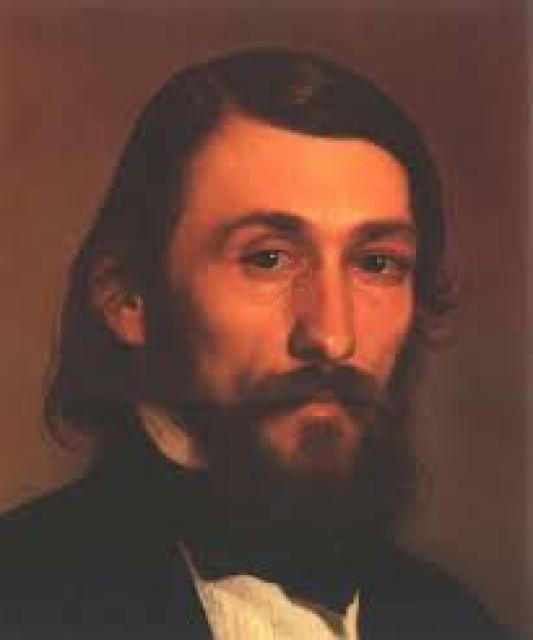
Jozef Hurban
 Slovakia
- Jozef Miloslav Hurban: A Slovak Patriot and Literary Giant
- Education and Early Career
- Literary Contributions
- Revolutionary Spirit
- Post-Revolution and Legacy
- Family Ties
Jozef Miloslav Hurban: A Slovak Patriot and Literary Giant
Jozef Miloslav Hurban, born into a Lutheran family, became a pivotal figure in the Slovak national movement. From a young age, he actively participated in the patriotic cause.
Education and Early Career
In 1835, Hurban joined the Slovak patriotic movement and pursued his education at the Lutheran Lyceum in Bratislava. There, he forged a close bond with Ľudovít Štúr, a leading Slovak nationalist. After graduating in 1840, Hurban embarked on a pastoral career in Brezová pod Bradlom.
Literary Contributions
Hurban's literary prowess was evident in his publication of the almanac "Nitra" from 1842 to 1877. In 1843, alongside Štúr and Michal Miloslav Hodža, he played a crucial role in codifying a new version of the Slovak literary language at the meeting in Hlboké.
Revolutionary Spirit
During the 1848-1849 revolutions, Hurban actively participated in the struggle for Slovak independence. His involvement led to his arrest and persecution. Despite these setbacks, he remained an unwavering advocate for the Slovak cause.
Post-Revolution and Legacy
In 1861, Hurban became a co-founder of the Matica slovenská, a leading Slovak cultural institution. He also published the first book written in Štúr's newly codified Slovak language. Hurban's enduring contribution lies in his codification of the Slovak literary language, which forms the basis of modern Standard Slovak.
Family Ties
Jozef Miloslav Hurban's legacy extended beyond his own achievements. His son, Svetozár Hurban-Vajanský, became a renowned Slovak writer, poet, and publicist, further solidifying the Hurban family's impact on Slovak literature and nationalism.