Juan Bosch
 Dominican r.
- Juan Bosch: Dominican Republic's President and Literary Icon
- Presidential Term and Independent Policies
- Conflict with the US and Ouster
- Return from Exile and Political Comeback
- Literary Legacy
- Death and Legacy
Juan Bosch: Dominican Republic's President and Literary Icon
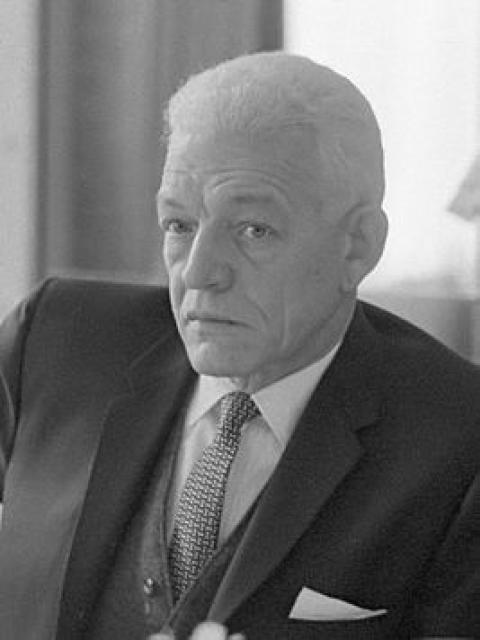
Early Life and Political ActivismJuan Bosch, born in La Vega in 1909, became a prominent political figure in the Dominican Republic. His opposition to Rafael Trujillo's dictatorship led to persecution, prompting him to establish the left-wing Dominican Revolutionary Party in 1939.
Presidential Term and Independent Policies
On December 20, 1962, Bosch was elected president. Despite initial US support, his independent stance soon strained relations. He annulled agreements with US companies, including Standard Oil, and raised taxes on American corporations. His policies aimed to address poverty and underdevelopment in the Dominican Republic.
Conflict with the US and Ouster
The United States' influence was threatened by Bosch's policies. After refusing to suppress a strike by the South Puerto-Rico Sugar Company, Bosch prohibited land sales to foreigners. As a result, he was overthrown on September 25, 1963, with the support of US intelligence.
Return from Exile and Political Comeback
Bosch returned to the Dominican Republic in 1965 after a two-year exile. He lost the presidential election to Joaquín Balaguer in 1965 and abstained from the 1970 and 1973 elections. Later, he established the Dominican Liberation Party and ran for president again but faced electoral defeats.
Literary Legacy
Alongside his political career, Bosch was an accomplished writer. He penned two novels, numerous short stories, and essays. His work was known for its social and political themes. Notable authors like Gabriel García Márquez acknowledged his literary influence.
Death and Legacy
Juan Bosch passed away in Santo Domingo on November 1, 2001. His legacy as a Dominican political leader, historian, and writer continues to inspire generations. His policies and writings have left an enduring impact on Dominican society and beyond.