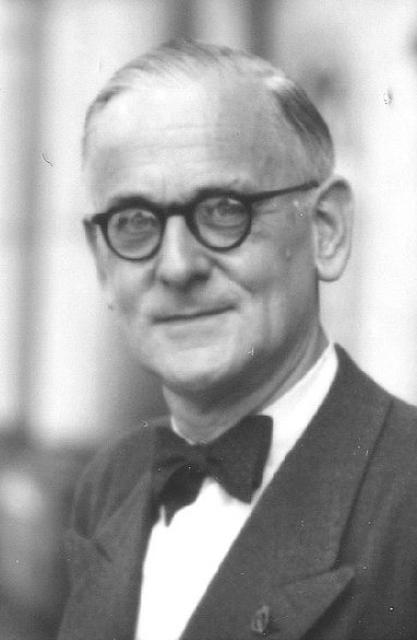
Karl Laux
 Germany
- Karl Laux: A Renowned Musicologist
- Career as a Musical Critic
- Post-World War II Contributions
- Director of the Dresden College of Music
- Significant Publications
- Autobiographical Work and Recognition
Karl Laux: A Renowned Musicologist
Early Life and EducationKarl Laux, a distinguished German musicologist, was born in Heidelberg. He pursued musicology studies at Heidelberg University under the tutelage of esteemed professors Theodor Kroyer and Hans Joachim Moser.
Career as a Musical Critic
After completing his education, Laux launched his career as a musical critic in Mannheim in 1926. He subsequently moved to Dresden in 1934, where he continued to write critical reviews and commentaries.
Post-World War II Contributions
Following World War II, Laux served as an advisor to the Ministry of Education for Saxony from 1945 to 1948. He then assumed the role of editor of the musical section of the East Berlin newspaper Tägliche Rundschau from 1948. Subsequently, he held the position of editor-in-chief for the East German music magazine Musik und Gesellschaft from 1951 to 1952.
Director of the Dresden College of Music
In 1952, Laux was appointed director of the Dresden Hochschule für Musik, a prestigious institution where he remained until 1963. During his tenure, he dedicated himself to advancing musical education and scholarship.
Significant Publications
Laux made notable contributions to musicology through his extensive publications. His masterpiece, "Die Musik in Russland und in Der Sowjetunion" (1958), examined music in Russia and the Soviet Union. He also authored acclaimed biographies of Karl Maria von Weber (1978) and Josef Haas (1954). His book on Anton Bruckner, initially published in 1940 with traces of Nazi ideology, was revised and released in 1947 with these elements meticulously removed.
Autobiographical Work and Recognition
Laux penned an autobiography entitled "Nachklang" (1977), which offered insights into his life and career. In 1965, he was bestowed with the prestigious Robert Schumann Prize. Additionally, the city of Zwickau conferred upon him honorary citizenship in 1972. A street in Dresden was named Karl-Laux-Straße in recognition of his contributions to the city's musical legacy.