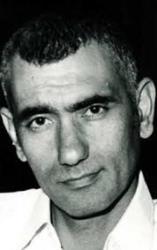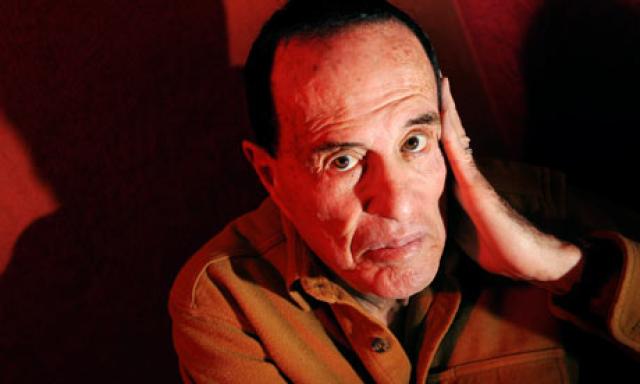
Kenneth Anger
 USA
USA- Kenneth Anger: The American Maverick of Underground Cinema
- The "Magick Lantern Cycle" and Avant-Garde Explorations
- Underground Films and Cultural Impact
- Occultism, Telema, and the Demon Brother
- From Lucifer Rising to Retirement and Return
- Influences, Legacy, and Personal Life
Kenneth Anger: The American Maverick of Underground Cinema
Early Life and Filmmaking BeginningsKenneth Anger (born Kenneth Wilbur Anglemyer) was born in Santa Monica, California, in 1927. His childhood remains shrouded in mystery, with claims of a role in the 1935 film "A Midsummer Night's Dream" that have never been substantiated. At the tender age of ten, Anger began experimenting with filmmaking, and his first notable work, "Fireworks," emerged in 1947, gaining recognition a decade later. Its overt countercultural content prompted obscenity charges, but Anger was acquitted.
The "Magick Lantern Cycle" and Avant-Garde Explorations
In 1953, Anger returned to the United States and embarked on a prolific period of filmmaking, producing a series of avant-garde works that cemented his status as a pioneer of independent cinema. His "Magick Lantern Cycle," a collection of nine short films, became iconic for its surrealism, homoerotic imagery, and occult themes.
Underground Films and Cultural Impact
Throughout the 1950s and 1960s, Anger gained notoriety for his groundbreaking films, including "Inauguration of the Pleasure Dome" (1954), "Scorpio Rising" (1964), and "Kustom Kar Kommandos" (1965). He became a central figure in the counterculture movement, associating with the likes of Tennessee Williams, Mick Jagger, Keith Richards, and Anton LaVey.
Occultism, Telema, and the Demon Brother
Anger's fascination with the occult, particularly the teachings of Aleister Crowley and the Thelema religious system, manifested itself in many of his films. He penned the books "Invocation of My Demon Brother" (1969) and "Lucifer Rising" (1972), which delved into these esoteric beliefs.
From Lucifer Rising to Retirement and Return
In the 1980s, Anger faced setbacks in his attempt to release a sequel to "Lucifer Rising" and retreated from filmmaking. However, he returned to the art form in the early 21st century, creating short pieces for festivals and events.
Influences, Legacy, and Personal Life
Anger cited diverse cinematic influences, from the Lumière brothers and Georges Méliès to Maya Deren, Martin Scorsese, and John Waters. He had a profound appreciation for music videos, recognizing their ability to fuse "dreams, dance, fantasy, and narrative."
Despite his outward silence for many years, Anger granted a few interviews in his later years, revealing his youthful appearance and calm demeanor. He was openly gay, drawn to hypermasculine men, and remained a member of the Ordo Templi Orientis, a Thelema-based order.
Anger passed away in 2019, leaving behind a legacy as a fearless visionary who pushed the boundaries of cinema, explored the occult, and celebrated human sexuality through his transgressive and unforgettable films.