Kim Dae-jung
 South Korea
- Biography of Kim Dae-jung
- Early Life
- Political Career
- Return to Korea and Presidential Elections
- Nobel Peace Prize and Post-Presidential Life
Biography of Kim Dae-jung
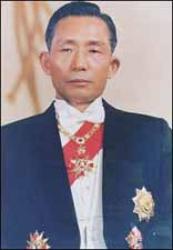
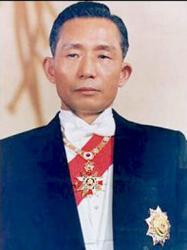
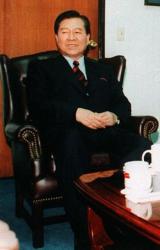
Kim Dae-jung, the 15th President of South Korea, served as the President of the Republic of Korea from December 18, 1997, to February 25, 2003. He was the leader of the party "National Congress for New Politics" and a laureate of the Nobel Peace Prize. Known as a key figure in the democratization of South Korea, Kim Dae-jung played a significant role in the country's political landscape.
Early Life
Kim Dae-jung was born in 1925 in Mokpo, South Korea, into a farming family. He graduated from Konguk University in 1953 and obtained a master's degree in management from Kyunghee University in Seoul in 1967.
Political Career
Kim Dae-jung entered politics in 1954 and was elected as a member of the National Assembly in 1960. In 1971, he ran as a candidate for the presidency representing the New Democratic Party. However, in 1973, he was sentenced to imprisonment for "violating the election law" due to his anti-government activities. He was released from prison in 1978. In 1980, he was arrested again and initially sentenced to death for organizing anti-government and subversive activities. However, his death sentence was commuted to life imprisonment. Kim Dae-jung was finally released in 1982 and granted permission to travel to the United States.
Return to Korea and Presidential Elections
In February 1985, Kim Dae-jung returned to Korea and led the opposition against the regime of Chun Doo-hwan. He ran for the presidency in 1987 and 1992 but was unsuccessful. Finally, on December 18, 1997, he won the presidential elections. South Korea was facing an economic crisis at the time of his inauguration. With the help of international organization loans, Kim Dae-jung was able to overcome the financial crisis swiftly, leading the country's economy to recover. He declared war on corruption and implemented economic reforms. He also adopted a more conciliatory policy towards North Korea.
Nobel Peace Prize and Post-Presidential Life
In June 2000, Kim Dae-jung had a historic meeting with North Korean leader Kim Jong-il in Pyongyang. This meeting resulted in the signing of an agreement on reconciliation and economic cooperation. In October 2000, Kim Dae-jung was awarded the Nobel Peace Prize for his efforts in promoting democracy, human rights, peace, and reconciliation in South Korea and East Asia, as well as his approach towards North Korea.
Kim Dae-jung left office in February 2003 when his term as President ended. He remained active in public life and continued to advocate for democracy and human rights until his passing in 2009.