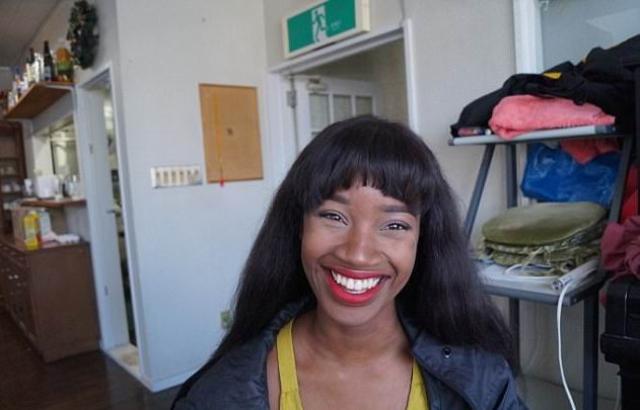
Kudzai Dube
 Australia
- Tripophobia: A Fear of Clustered Holes
- Symptoms of Tripophobia
- Childhood Exposure
- Education and Coping Mechanisms
- Medical Classification
- Historical and Research
- Prevalence
Tripophobia: A Fear of Clustered Holes
IntroductionTripophobia, an intense fear of clustered holes or bumps, affects 22-year-old Australian Kudzai Dub. She experiences severe discomfort at the sight of objects like sponges or honeycomb.
Symptoms of Tripophobia
Dub describes her "cluster hole fear" as a visceral reaction to images such as bubbles in batter, wasp nests, and dishwashing sponges. Just seeing a holey image can trigger a panic attack. Lotus seed pods are a particularly potent trigger due to their surface covered in holes.
Childhood Exposure
Dub believes she developed tripophobia after watching a family movie at around age five. The film depicted worms crawling from human noses, which may have planted the seeds of her aversion to clusters of holes.
Education and Coping Mechanisms
As a geology student, Dub avoids rocks with holes during field trips. "I can't help it," she says. "They're just so creepy and I get anxious."
Medical Classification
Despite affecting many people, tripophobia is not currently recognized as a distinct medical diagnosis. However, researchers have proposed that it is a subconscious reflex response rooted in the primitive brain's association of certain patterns with danger. The term "tripophobia" comes from the Greek words "trypo" (drilling of holes) and "phobos" (fear).
Historical and Research
Tripophobia was first discussed online in 2005, but its existence remains controversial. Some psychologists deny its validity, while others suggest that it may be a natural aversion to patterns that resemble skin diseases or wounds.
Prevalence
Early estimates suggested that up to 16% of people may experience tripophobia. However, further research is needed to establish its true prevalence.


