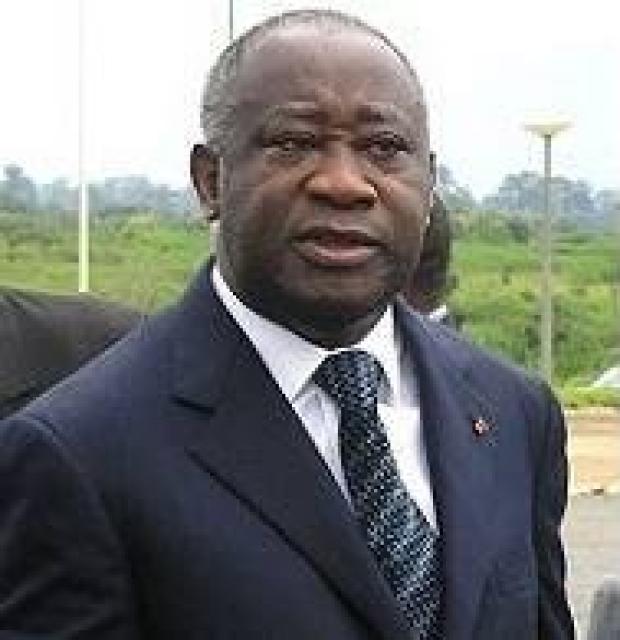
Laurent Gbagbo
 Ivory Coast
- Biography of Laurent Gbagbo
- Political Activism and Imprisonment
- Political Career and Exile
- Return to Ivory Coast and Political Leadership
- Presidency and Civil Conflict
Biography of Laurent Gbagbo
Early Life and EducationLaurent Koudou Gbagbo was born on May 31, 1945, in Gagnoa, a small town in the Mama department of Ivory Coast. He grew up in a poor family, facing financial difficulties. After his parents' separation in 1948, Laurent's mother raised him and his siblings single-handedly. Laurent attended a small Catholic seminary in Gagnoa in 1958, and in 1965, he completed his high school education in Abidjan, earning a Bachelor's degree in Philosophy. In 1969, he obtained his history license from the University of Abidjan.
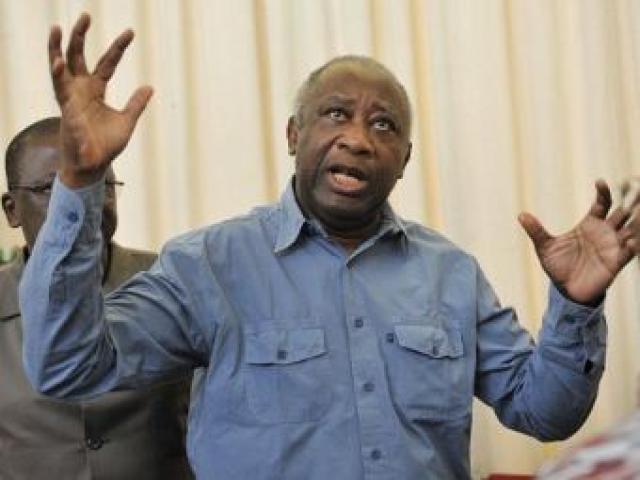
Political Activism and Imprisonment
In 1970, Laurent married Simone Gbagbo, a devout Catholic, and Christianity became an important part of his ideological beliefs. He worked as a history and geography teacher at a classical high school in Abidjan and actively participated in the professional movement and illegal opposition. His involvement in both illegal activities and lecturing at the University of Abidjan led to his arrest and imprisonment in military prisons, namely Seguela and Bouake, from March 1971 to January 1973. After his release, Laurent worked as a research fellow at the University of Abidjan and defended his doctoral dissertation on Ivorian politics from 1940 to 1960 at a branch of the University of Paris in 1979.

Political Career and Exile
In 1980, Gbagbo became the director of the Institute of History, Art, and Architecture in Abidjan. He actively participated in the strike movement of the union of science and higher education workers (SYNARES). In 1982, he co-founded an illegal cell, which later became the embryo of the Ivorian Popular Front party. Considered the main organizer of the "teachers' conspiracy" by the government, Gbagbo was forced to leave the country and seek refuge in France. During his exile, he obtained the status of a political refugee and developed a friendship with Guy Labertit, the then National Secretary for International Relations of the Unified Socialist Party and the leader of the magazine "Liberation Afrique."

Return to Ivory Coast and Political Leadership
Gbagbo returned to Ivory Coast in September 1988 with the consent of President Felix Houphouet-Boigny. He organized the founding congress of the Ivorian Popular Front on November 19-20, 1988, and was elected as the party's Secretary-General. From 1988 to 1997, he served as the Secretary-General of the Ivorian Popular Front, and from 1997 to 2000, he was the Chairman of the party. Gbagbo gradually gained prominence as one of the opposition leaders, and his chosen strategy proved successful.

Presidency and Civil Conflict
Following the end of President Robert Guei's regime, Gbagbo led the opposition forces and won the presidential elections in 2000. However, a rebellion broke out in Ivory Coast in 2002 due to Gbagbo's refusal to step down or limit his powers, leading to a civil war. With international mediation, the conflict was resolved in Burkina Faso on March 4, 2007, with the appointment of rebel leader Guillaume Soro as Prime Minister.