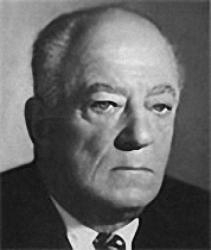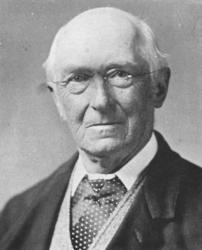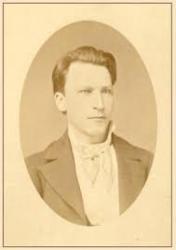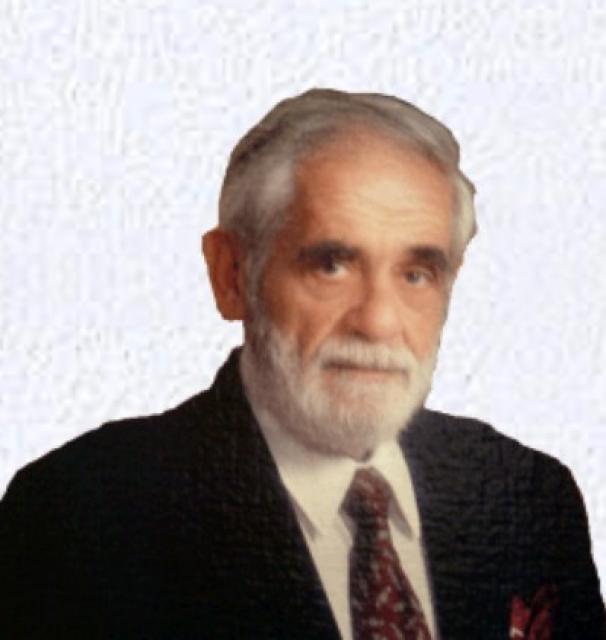
Lawrence Burton
 USA
USA- Dr. Burton: A Pioneering Zoologist in Cancer Research
- Research and Discoveries
- - Tumor-reactive antibodies (immunoglobulins IgA, IgG, and IgM)
- Development of a Therapeutic Serum
- Additional Insights for Tumor Suppression
- Funding and Controversies
- Rejection and Hostility
- Establishment of a Treatment Center
- Immuno-Augmentative Therapy (IAT)
- Success Rates and Challenges
- Suspicious Allegations and Regulatory Actions
- Legacy and Impact
- Modern Perspective on Immunotherapy
- Conclusion
Dr. Burton: A Pioneering Zoologist in Cancer Research
Early Life and EducationDr. Lawrence Burton, a renowned zoologist, obtained his doctorate from the New York University in 1955. Despite his background, his focus shifted to cancer research, where he would make significant contributions.
Research and Discoveries
Dr. Burton's reputation grew through his extensive studies on cancer. He published approximately sixty-five research articles in peer-reviewed journals and was invited to present keynote speeches at scientific conferences. His pioneering work identified specific natural factors - proteins in human serum - that influence tumor growth and suppression. These factors include:
- Tumor-reactive antibodies (immunoglobulins IgA, IgG, and IgM)
- Tumor-complement factor (TCF)- Blocking protein factor (BPF)
- Deblocking protein factor (DPF)
Additionally, Dr. Burton's research led to the discovery of TNF (tumor necrosis factor).
Development of a Therapeutic Serum
By carefully studying the processes of tumor growth and suppression, Dr. Burton was able to isolate these factors (some from healthy individuals and others from cancer patients) and create a serum that reduced tumors. The serum's mode of action involved the following processes:
- TCF alerts tumor-reactive antibodies to the presence of tumor cells.
- BPF, produced by tumor cells, prevents the antibodies from attacking the tumor cells.
- DPF counteracts BPF, allowing the antibodies to destroy the tumor cells.
Additional Insights for Tumor Suppression
Dr. Burton realized that measuring TNF levels was not necessary to assess the immune status of patients, even though TNF was a factor in the serum he had created. He developed a computer program that calculated the current state of a patient's blood and immune function. However, the lack of microcomputers at the time necessitated a large-scale system for these calculations.
Funding and Controversies
Dr. Burton's research gained support from various organizations, including the Damon Runyon Fund, the American Cancer Society, and the United States Public Health Service. However, his groundbreaking findings, which could dramatically shrink tumors overnight, were met with resistance.
Rejection and Hostility
Amidst the excitement surrounding his published results, Dr. Burton faced intense opposition from the established medical community. His refusal to grant exclusive rights to his serum to major institutions, including the National Cancer Institute (NCI), Sloan-Kettering, and the American Cancer Society, made him an enemy. Funding was cut, invitations to speak were withdrawn, and his publications were denied.
Establishment of a Treatment Center
Despite the setbacks, Dr. Burton established a cancer treatment clinic in New York City in 1974. While his success rate was remarkable, he faced ongoing harassment and eventually was forced to relocate his clinic outside of the United States.
Immuno-Augmentative Therapy (IAT)
Internationally recognized, Dr. Burton's clinic provided Immuno-Augmentative Therapy (IAT), a non-toxic treatment approach. By assessing and correcting immune system deficiencies through specialized therapies, IAT aimed to restore the body's natural defenses against cancer.
Success Rates and Challenges
Dr. Burton's treatment center reported a 50% success rate, far exceeding the average survival rate for cancer patients who received conventional therapies. However, allegations that his IAT samples contained HIV cast a shadow on his work.
Suspicious Allegations and Regulatory Actions
In 1985, the United States Food and Drug Administration (FDA) banned the importation of IAT due to alleged HIV contamination. Despite ongoing controversy, Dr. Burton's clinic continued operating under the Bahamanian government's supervision.
Legacy and Impact
Despite the challenges, Dr. Burton remained an influential figure in cancer research and treatment. His work laid the foundation for advancements in immunotherapy and the recognition of the body's immune system as a vital tool in fighting cancer.
Modern Perspective on Immunotherapy
While contemporary medicine has embraced certain aspects of immunotherapy, Dr. Burton's refusal to participate in clinical trials and the lack of rigorous scientific data on IAT have left his legacy shrouded in controversy.
Conclusion
Dr. Lawrence Burton's pioneering contributions to cancer research fueled both remarkable successes and significant opposition. His legacy serves as a testament to the importance of scientific curiosity, perseverance, and the ongoing pursuit of better cancer treatments.