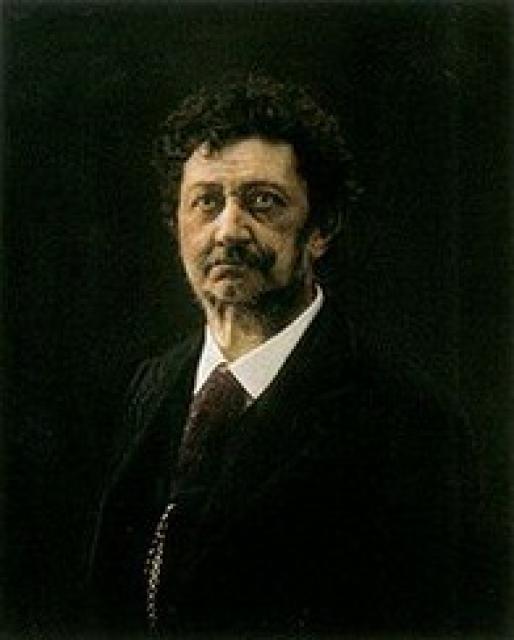
Laza Kostic
 Austria
- Laza Kostić: A Renaissance Man of Serbian Literature
- Early Life and Education
- Literary Achievements
- Political Activism and Exile
- Inspiration for the Avant-Garde
- Contributions to Serbian Culture
Laza Kostić: A Renaissance Man of Serbian Literature
Laza Kostić (1841-1910) was an esteemed Serbian polymath who excelled in various fields, including poetry, literature, law, philosophy, linguistics, journalism, and politics. As a beacon of Serbian literature, his contributions left an indelible mark on the nation's cultural landscape.
Early Life and Education
Born in Kovilj, Vojvodina, Kostić exhibited an exceptional intellect from a young age. He studied law in Budapest and Paris, where he developed a profound understanding of various philosophical and literary traditions.
Literary Achievements
Kostić's literary repertoire encompassed a diverse range of genres, including love poems, patriotic lyrics, ballads, and historical tragedies. His masterpiece, "Maksim Crnojević," became a testament to his poetic brilliance. Furthermore, he delved into philosophy and aesthetics, penning insightful treatises that explored the nature of art and beauty.
Political Activism and Exile
Kostić's liberal views and outspoken nature often brought him into conflict with the authorities. He faced numerous arrests and imprisonment for his unwavering commitment to justice and freedom. Despite these setbacks, he remained a steadfast advocate for the Serbian people's rights.
Inspiration for the Avant-Garde
The avant-garde poets of the 20th century hailed Kostić as their intellectual forefather. His experimental approach to poetry, characterized by his use of imagery, rhythm, and symbolism, paved the way for groundbreaking literary movements.
Contributions to Serbian Culture
Beyond his own literary creations, Kostić dedicated himself to preserving and promoting Serbian culture. He translated numerous works by William Shakespeare into Serbian, making them accessible to a wider audience. His efforts as a cultural ambassador helped strengthen the bonds between Serbia and the Western literary world.




