Lebbeus Woods
 USA
USA- Biography of Lebbeus Woods
- Education and Early Career
- Teaching and Academic Career
- Research Institute for Experimental Architecture
- Architectural Philosophy and Works
- Experimental Installations and Collaborations
Biography of Lebbeus Woods
Lebbeus Woods was an American architect, artist, and theorist, known for his unconventional and visionary approach to architecture. He was born on May 31, 1940, in Lansing, Michigan.
Education and Early Career
Woods received his engineering and architectural education at Purdue University (1958-1960) and the University of Illinois at Chicago (1960-1964). After completing his studies, he worked in the offices of renowned architects Eero Saarinen and Kevin Roche from 1964 to 1968.
Teaching and Academic Career
Woods began his teaching career as a professor of architecture at Cooper Union in New York City. Throughout his life, he was invited to teach as a visiting professor at various institutions, including SCI-Arc in Los Angeles, The Bartlett at University College London, Harvard University, and Columbia University. His lectures and seminars were highly regarded, as he challenged conventional architectural thinking and encouraged his students to explore new possibilities.
Research Institute for Experimental Architecture
In 1976, Woods co-founded the Research Institute for Experimental Architecture (RIEA) in New York City and Bern, Switzerland. He served as its scientific director and editor of the RIEA book series, which showcased the works of emerging architects. The institute focused on exploring architecture in crisis situations, boundary-pushing designs, architecture of the future, and the impact of natural disasters and wars on the built environment.
Architectural Philosophy and Works
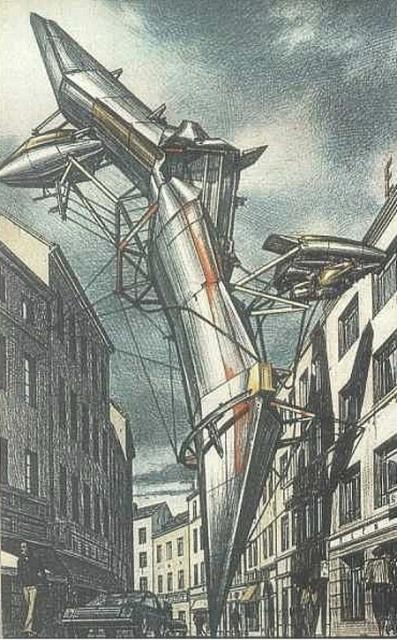
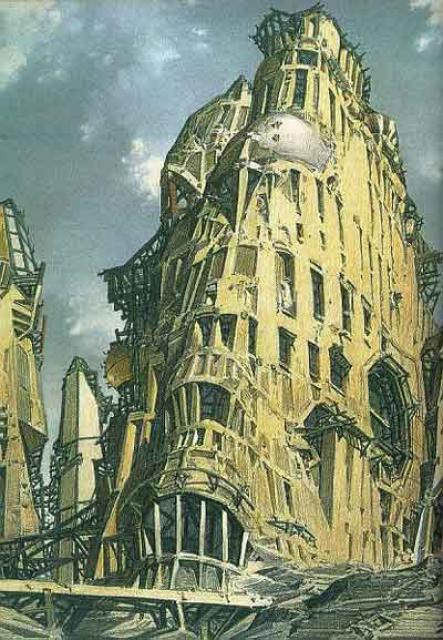
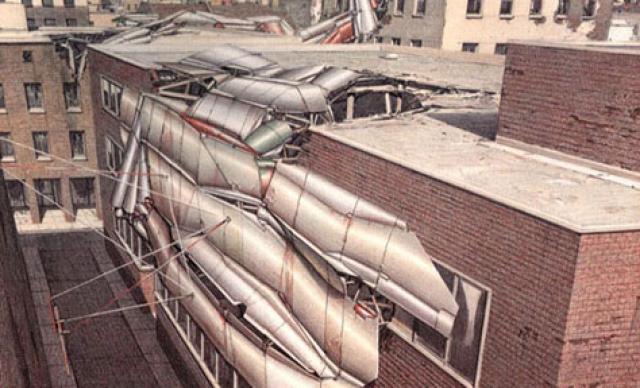
Woods's research and projects were characterized by his interest in contemporary society, the creation of new urban environments, and the search for new ways of survival. His designs were often fantastical and challenged the existing architectural norms. He believed in radical transformations of the world, pushing the boundaries of what was considered possible. His work drew inspiration from various sources, including the works of Paul Virilio, deconstructivist architects, Giovanni Battista Piranesi's "Prisons" series, and the architectural group Archigram.
Experimental Installations and Collaborations
Throughout his career, Woods explored various aspects of architecture through experimental installations, collaborative projects with other architects, and his teaching activities. He believed in the power of experimentation and pushing the limits of architectural expression. His work often questioned the role of architecture in society and its ability to adapt to changing circumstances.
Lebbeus Woods passed away on October 30, 2012, in New York City, leaving behind a legacy of innovative thinking and visionary designs. His work continues to inspire architects and artists worldwide, challenging them to question the boundaries of what is possible in the field of architecture.


