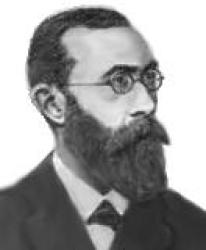
Lev Vygorskiy
- Lev Vygotsky: Pioneer of Cultural-Historical Psychology
- Cultural-Historical Concept
- Methodology and Theory
- Developmental Psychology
- Zone of Proximal Development
- Legacy
Lev Vygotsky: Pioneer of Cultural-Historical Psychology
Early Life and WorkLev Semyonovich Vygotsky was born in Orsha, Belarus, in 1896. He graduated with a law degree from Moscow State University in 1917 but soon turned his attention to psychology. His early research focused on the perception of art, examining the emotional responses elicited by different works of art and their role in catharsis.
Cultural-Historical Concept
In the mid-1920s, Vygotsky developed his groundbreaking cultural-historical concept of psychological development. This theory posited that human cognition and behavior are not solely determined by biological factors but are also shaped by the social and cultural environment. Language, tools, and social interactions play a crucial role in shaping the individual's mind.
Methodology and Theory
Vygotsky's work on the "Historical Meaning of the Psychological Crisis" paved the way for the establishment of a Marxist psychology. He criticized the prevailing introspective methods and advocated for a scientific and objective approach to psychological inquiry.
Developmental Psychology
Vygotsky's research in defectology, the study of developmental disabilities, led to a new theory of abnormal child development. He argued that children with disabilities have unique strengths and should be provided with appropriate support to reach their full potential.
Zone of Proximal Development
In his later work, Vygotsky introduced the concept of the zone of proximal development. This zone refers to the range of tasks that a child can perform independently and those that can be achieved with the guidance of a more capable individual.
Legacy
Lev Vygotsky's cultural-historical theory revolutionized the field of psychology. His emphasis on social and cultural factors in cognitive development had a profound impact on later generations of psychologists, including renowned figures such as A.N. Leontiev, A.R. Luria, and A.V. Zaporozhets. His work continues to inspire and guide psychological research and practice worldwide.