Li Keqiang
 China
ChinaBiography of Li Keqiang
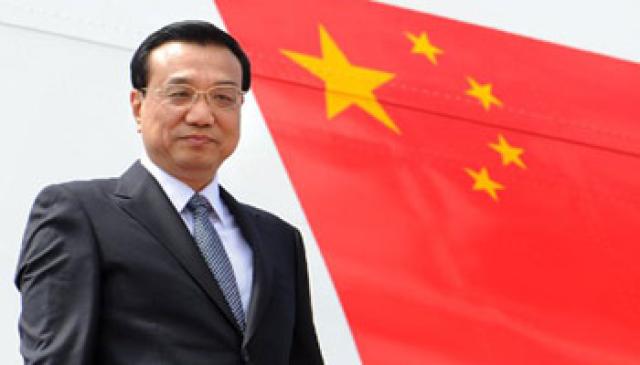
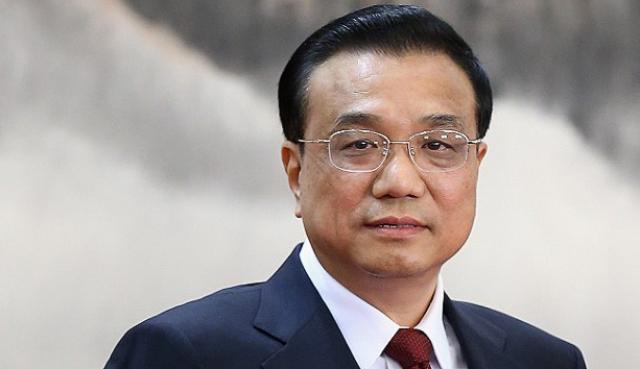
Li Keqiang, a Chinese statesman and politician, was born on July 1, 1955, in Dingyuan County, Anhui Province, China. His father was a local official, and Li grew up with sincere desire to help the poor, along with modest education, independent thinking, and wit. These qualities helped him break into Chinese politics. However, the question remains whether he was able to maintain his initial convictions or became just another cog in the political machine. How significant is the impact of this Chinese Communist Youth League member on the economic policy of his country? Read on to find out.
Early Life and Education
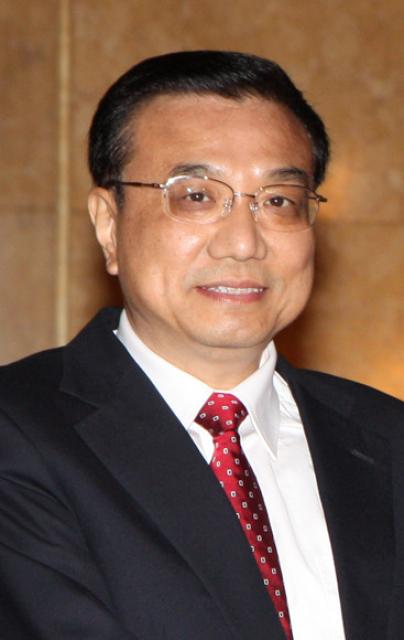
Li Keqiang completed his schooling in 1984, during the period of the Cultural Revolution, and was assigned to a collective farm brigade in Fengyang County, where he joined the Communist Party of China. He managed to rise through the ranks and became the party secretary of the brigade. During this time, Li earned the honorary title of "Outstanding Individual" for his research on Mao Zedong's teachings. He studied law at Peking University and graduated with a bachelor's degree in law. He also served as the chairman of the university's student council. In 1988-1995, Li successfully completed the master's program at the Economics Institute of Peking University.
Political Career
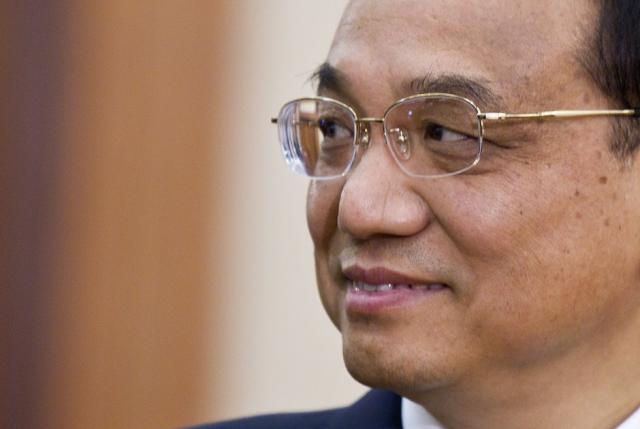
Li Keqiang became the youngest governor of the Chinese province of Henan in June 1998, at the age of 43. Henan was an underdeveloped province facing economic challenges, but under Li's leadership, it transformed into an attractive destination for investment. In the early 1990s, Henan ranked 28th in China's GDP, but by 2004, it had climbed to 18th place. However, Li's tenure was not without its challenges, such as the ineffective handling of the HIV/AIDS epidemic caused by the illegal blood trade, which affected tens of thousands of people. After being transferred to the position of party chief in Liaoning province in December 2004, Li focused on implementing the "Five Points in One Line" project, which aimed to improve trade flow between the ports of Dalian and Dandong, among other initiatives. In October 2007, he was selected as a member of the Standing Committee of the Political Bureau of the CPC Central Committee. In 2008, Li became the Vice Premier of the State Council of the People's Republic of China. In February 2010, he emphasized the importance of economic structural changes in China that were not yet fully prepared for future growth during a speech to ministers and provincial leaders. Li emphasized the need to increase domestic consumption and highlighted the importance of urbanizing rural areas and industrializing agriculture if China wants to improve its competitiveness, food security, energy security, and make housing and healthcare more accessible. On March 15, 2013, Li Keqiang was elected as the Premier of the State Council of China, becoming the head of the Chinese government at the First Session of the 12th National People's Congress. In his first significant speech in his new role on March 17, 2013, Li called for a more equitable distribution of income and continued economic reforms. He made his first official visit abroad to India on May 18, 2013, in an attempt to resolve border disputes and stimulate economic relations. Li emphasized the importance of China's relationship with India by choosing it as the destination for his first international visit. In 2013, Li Keqiang was ranked 14th on Forbes' list of the "World's Most Powerful People." He is married to Cheng Hong, a professor at the University of International Business and Economics in Beijing. His father-in-law was once the deputy secretary of the Communist Youth League of China Central Committee.