Lionel Kieseritzky
 France
- A Chess Prodigy in Paris
- The Café de la Régence
- International Recognition
- The Immortal Game
- Legacy of a Romantic
A Chess Prodigy in Paris
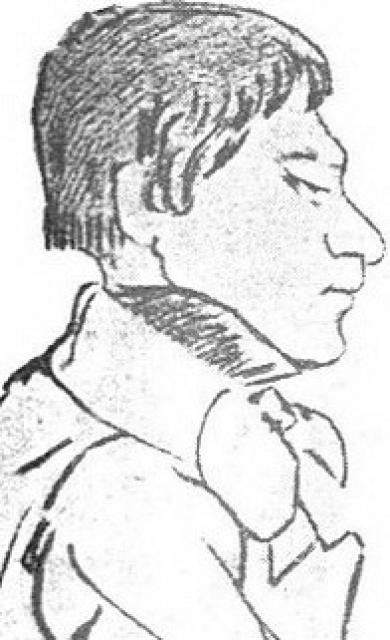
Karl Friedrich Wilhelm Louis Kieseritzky was a German-born chess prodigy who emerged as one of the world's strongest players in the 1840s and 1850s. After studying mathematics, Kieseritzky abandoned his teaching career in Dorpat, Estonia, and arrived in Paris in 1839 with the ambition of becoming a professional chess player.
The Café de la Régence
Paris provided Kieseritzky with a vibrant chess scene. He frequented the legendary Café de la Régence, where chess greats such as Denis Diderot, Jean-Jacques Rousseau, François-André Danican Philidor, Napoleon, and Voltaire had once played. Kieseritzky established himself as a chess teacher and, from 1849 to 1851, edited the chess magazine "Palamède," founded by Louis-Charles Mahé de La Bourdonnais.
International Recognition
Kieseritzky rapidly rose to the top ranks of international chess. In 1840, he played a daring gambit against La Bourdonnais, receiving a pawn and a move in exchange for opening the game. Kieseritzky's adventurous style and daring moves earned him widespread recognition as one of the strongest players of his time.
The Immortal Game
Kieseritzky's crowning achievement came in 1851 during the first London International Chess Tournament. In a memorable game against Adolf Anderssen, Kieseritzky sacrificed a rook and a bishop to create a powerful attack. The game, known as the "Immortal Game," is considered one of the most brilliant masterpieces in chess history.
Legacy of a Romantic
Kieseritzky's chess style was characterized by its romantic flair and improvisational spirit. He rejected established conventions and employed unconventional openings. His games are celebrated as classic examples of the romantic era of chess. Kieseritzky's exceptional talent and daring play earned him the respect and admiration of his contemporaries, including the legendary Louis-Charles Mahé de La Bourdonnais.