Lois Collier
 USA
USA- Lois Collier: The All-American Actress
- Transition to Universal
- Leading Roles and Classic Films
- Post-War Films and Television Career
- Retirement and Legacy
Lois Collier: The All-American Actress
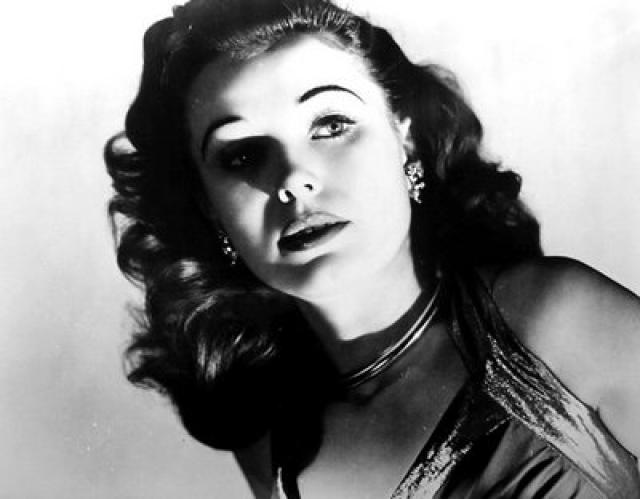
Early Life and CareerLois Collier was born in Sally, South Carolina. She began her journey to Hollywood in high school, where she participated in a local talent contest that led her to California. Initially known as Madeline Earll, Collier landed minor roles before signing with Republic Pictures. In the popular Western series "3 Mesquiteers," she appeared in a record-breaking seven films.
Transition to Universal
In 1943, Collier signed with Universal Studios, hoping for more substantial roles. While she initially landed less prestigious projects, she eventually gained access to higher-profile films. She played the second-leading lady in Maria Montez's "Cobra Woman" and joined an all-star cast in "Ladies Courageous," a war drama about women's auxiliary units during World War II.
Leading Roles and Classic Films
Without screen credit, Collier appeared in the musical "Follow the Boys" alongside Orson Welles and George Raft. As Universal's top actresses left in 1945, Collier filled the void. She starred in the musical mystery "The Crimson Canary" and excelled in horror and thriller roles, including "The Cat Creeps." Notably, she also appeared in Abbott and Costello's comedy classic "The Naughty Nineties."
Post-War Films and Television Career
In 1946, Collier continued her successful run with "Girl on the Spot" and "Slave Girl." However, as Universal merged with International Pictures, the studio ceased producing B-movies. Collier transitioned to television, where she became famous for her role as Mary Wesley in "Boston Blackie."
Retirement and Legacy
Collier retired from acting in the late 1950s and passed away on October 27, 1999, in Woodland Hills, California. Her contributions to American cinema, particularly during the golden age of Hollywood, left a lasting impact on the entertainment industry.