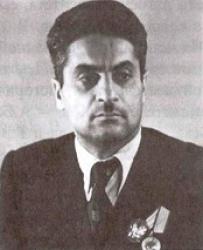
Ludmila Braude
 Russia
- Lyudmila Braude: Noted Soviet and Russian Translator
- Major Translations
- Correcting Past Errors
- Restoring Authenticity
- Scandinavian Influences on Children's Literature
- Children's Perception
- Advocating for Literary Immersion
- Personal Connections
- Legacy
Lyudmila Braude: Noted Soviet and Russian Translator
Early Life and CareerLyudmila Yulievna Braude (b. 1924) is a renowned Soviet and Russian scholar specializing in Scandinavian literature. A Doctor of Philology and Professor, Braude initially pursued other literary pursuits, including criticism and teaching. However, her exceptional translations of classic Scandinavian works for children have established her as a luminary in the field.
Major Translations
Braude's most significant translations include works by:- Hans Christian Andersen
- Selma Lagerlöf
- Zacharias Topelius
- Astrid Lindgren
- Tove Jansson
Her translations have garnered international acclaim, earning her awards for her contributions to introducing Scandinavian literature to millions of Russian children.
Correcting Past Errors
During the era of Samuil Marshak's editorial influence, Braude observed numerous inaccuracies in children's literature translations. Particularly troubling was the practice of retelling literary fairy tales rather than translating them. This distortion resulted in misunderstandings, such as the portrayal of ravens as cormorants in Asbjørnsen's "Ravens of Utrøst."
Restoring Authenticity
Braude's meticulous translations sought to restore the authenticity of these works. For instance, she corrected the altered name of Astrid Lindgren's heroine, "Pippi," to its original form, "Pippi." Her 6-volume translation of Lindgren's collected works, published in 1994, provided a comprehensive and faithful representation of the Swedish author's body of work.
Scandinavian Influences on Children's Literature
Braude's analysis of Scandinavian literature reveals a unique tradition that emphasizes non-didactic storytelling. Writers such as Andersen, Topelius, Lagerlöf, Lindgren, and Jansson prioritize the intrinsic power of kindness and imagination. Braude believes this approach resonates deeply with children, fostering their emotional development and nurturing their creativity.
Children's Perception
Braude's extensive interactions with children have illuminated their special appreciation for the humor and fantasy found in Scandinavian literature. She emphasizes the importance of respecting children's intelligence and treating them as equals. Unfortunately, she notes a lack of humor in many Russian children's books, which diminishes their appeal to young readers.
Advocating for Literary Immersion
Braude has long advocated for the inclusion of fairy tales in school curricula. She believes that early exposure to these timeless classics can spark a lifelong love of reading. In particular, she urges the introduction of Lindgren, Jansson, and other Scandinavian authors into school programs.
Personal Connections
Braude enjoyed a warm friendship with Astrid Lindgren, corresponding with her from 1962 and meeting her personally in 1987. Their conversations included discussions about the need for accurate translations and the importance of preserving the author's voice in the translation process.
Legacy
Lyudmila Braude's unwavering commitment to translation has made her an indispensable figure in the introduction of Scandinavian children's literature to Russian audiences. Her work has shaped the literary landscape of her country and cultivated generations of young readers. Her contributions remain a testament to the enduring power of storytelling and the transformative nature of good translations.