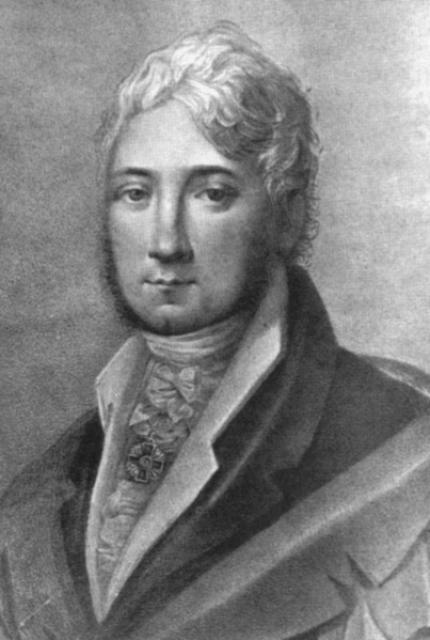
Ludwig Heinrich Bojanus
 Germany
- Early Life and Education
- Contributions to Veterinary Science
- Academic Leadership at Vilnius
- Gelminthology and Zoological Collections
- Academic Recognition and Scientific Contributions
- Notably, His Research Included:
- Studies on contagious animal diseases such as anthrax and plague
Johann Friedrich Blumenbach: A Renowned Naturalist and Pioneer in Veterinary Education
Early Life and Education
Born in Gotha, Germany, Johann Friedrich Blumenbach (1752-1840) pursued his medical studies at the University of Jena, graduating in 1797. He further refined his knowledge in anatomy and zoology in Vienna before practicing medicine in Darmstadt from 1798 to 1801.
Contributions to Veterinary Science
Recognizing the importance of veterinary care, Blumenbach embarked on a study tour across Europe, studying veterinary medicine in Germany, France, and England from 1801 to 1803. In 1804, he was appointed Professor of Veterinary Medicine at the University of Vilnius, where he established the Department of "Animal Treatment."
Academic Leadership at Vilnius
Due to political turmoil in Europe, Blumenbach arrived in Vilnius only in 1806. Along with teaching veterinary medicine, he held the chair of Comparative Anatomy from 1815 to 1823. He introduced Latin as the language of instruction, developed curricula in veterinary disciplines, and founded the university's Zoological and Zootomy departments.
Gelminthology and Zoological Collections
Blumenbach established Lithuania's first helminthological collection, studying the anatomy of parasitic worms. He also created a significant collection of zoological specimens and established the university's zoological museum.
Academic Recognition and Scientific Contributions
Blumenbach's scientific reputation propelled him to become a member of prestigious academies, including the Petersburg Academy of Sciences, the Leopoldina-Carolina Academy in Bonn, and learned societies in various European countries. He was a proponent of evolutionary theory and made significant contributions to embryology, zoology, medicine, veterinary science, and animal husbandry.
Notably, His Research Included:
The discovery of the organ of excretion in plate-gilled mollusks ("Boyanus's organ")
Identification of the anatomical differences between the aurochs and the steppe bison
Studies on contagious animal diseases such as anthrax and plague
Later Life and LegacyIn 1824, Blumenbach returned to Darmstadt, where he spent his remaining years. His prolific scientific output included approximately 70 publications, including his comprehensive study on the anatomy of turtles ("Anatome Testudinis Europaeae"), which remains an authoritative work in the field. Blumenbach's legacy continues to inspire scientists and educators alike, underscoring his pioneering contributions to veterinary medicine and zoology.