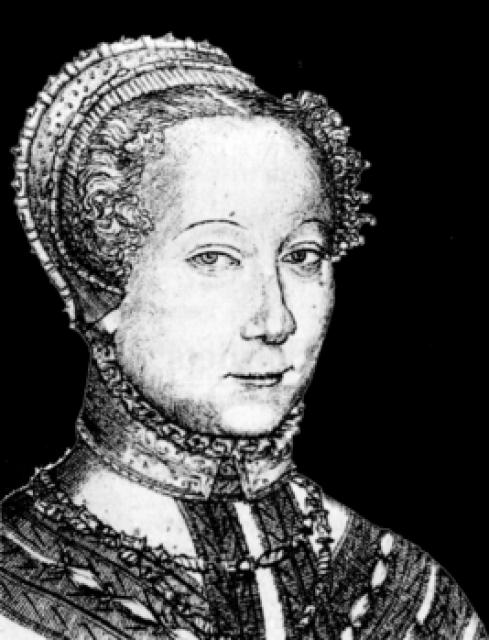
Luiza Sharly-Labe
 France
- Biography of Louise Labé
- Early Life and Education
- Literary Career
- "Debate of Folly and Love"
- Marriage and Love Affair
- Legacy
Biography of Louise Labé
Renowned as the "herald" of the feminist movement in Europe, Louise Labé (1522-1566) was a prolific poetess and a remarkable figure of the 16th century. Her life and work have captivated scholars and inspired countless literary discussions.
Early Life and Education
Louise Labé was born in April 1522, near Lyon, France. Her father, Pierre Charly, was a wealthy rope-maker, and her mother, Antoinette Compagnon, died when Louise was three. Louise's education was exceptional for a woman of her time. She studied Greek, Latin, Italian, and philosophy, becoming well-versed in the works of Homer, Plato, and Cicero.
Literary Career
Labé's literary debut came in 1536 at a royal ball-masque hosted by King Francis I. Her exquisite Latin verses impressed the court, launching her as a promising poet. Known for her elegant and passionate sonnets, Labé became a vocal advocate for women's rights and equality. She daringly explored themes of love and desire, challenging the traditional gender roles of her era.
"Debate of Folly and Love"
In 1555, Labé published her groundbreaking treatise, "Debate of Folly and Love." This philosophical dialogue, written under the pseudonyms Folly and Love, presented a bold critique of society's treatment of women. Folly argued that men should respect women's intellect and participate in their education and well-being.
Marriage and Love Affair
In 1542, Labé married Énnemond Perrin, a rope-maker like her father. Their marriage was reportedly amicable, but her heart was captured by Olivier de Magny, a poet and diplomat. Labé's passionate love for Magny inspired her most famous sonnets, which expressed her longing, desire, and disappointment in their affair.
Legacy
Louise Labé's influence on literature and feminist thought is undeniable. Her sonnets and prose continue to be studied and admired for their sincerity, boldness, and timeless themes. Her writings have paved the way for women to express their perspectives and challenge societal norms.


