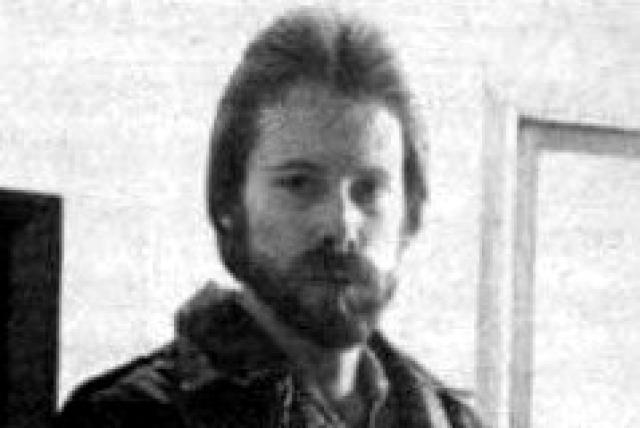
Lynwood Drake
 USA
Lynwood C. Drake III was an American construction worker and aspiring actor who killed six people in San Luis Obispo County, California, in November 1992, then died by suicide as police negotiators spoke with him. The killings unfolded over roughly eleven hours in Morro Bay, Paso Robles and San Miguel. His case left a lasting mark on the small communities where his victims lived and worked.
Early life and work
Drake was born on October 10, 1949, in Norfolk, Virginia. He later lived in Southern California and worked at different times as a construction worker, bartender and caterer. He was also an aspiring actor who attended acting classes in New York and maintained a portfolio. Local residents knew him by nicknames including “Jim” and “Snake.”
Contemporary reporting described a turbulent period in his life. He had lost his housing, struggled financially and had a serious medical history involving cancer treatment in one leg. Investigators said he had gambled away much of his remaining money shortly before the shootings. These circumstances provide context, but do not explain or excuse his actions.
The 1992 killings
On November 7 and 8, 1992, Drake killed six people in a series of attacks in San Luis Obispo County. Three people were killed in Morro Bay and three more at a card room in nearby Paso Robles. In San Miguel, he took a woman hostage; she survived. Drake died by suicide during the ensuing police response.
The victims included people he knew through a rental dispute and people at the card room. Local coverage emphasized how ordinary ties—neighbors, tenants, workers and regular patrons—were shattered in a matter of hours. The events became known locally as the county’s first mass killing of this kind and prompted difficult questions about missed warnings and how communities respond to threats.
Aftermath and legacy
Because Drake died before he could be tried, the case ended without a criminal trial. Police and journalists relied on witness accounts and notes he left behind to reconstruct the sequence of events and his stated grievances. His writings blamed others and claimed he had been persecuted; those claims reflected his own perspective, not an explanation accepted on behalf of the victims.
The tragedy remains primarily a story of the six people killed and the families, survivors and communities left to live with the loss. Drake’s brief public notoriety as an actor and gambler is secondary to the harm he caused.