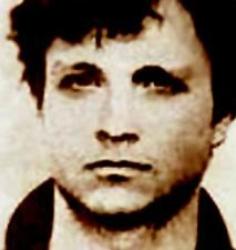
Norman Afzal Simons
 South Africa
Norman Afzal Simons is a South African former schoolteacher whose name became tied to one of Cape Town’s most notorious child murder investigations. He was convicted of kidnapping and murdering 10-year-old Elroy van Rooyen, but was never convicted of the other killings associated with the “Station Strangler” case. The distinction between the crime established in court and the wider allegations has remained central to the public debate around his case.
A Teacher in Mitchells Plain
Before his arrest, Simons worked as a primary school teacher in Tafelsig, a neighborhood in Mitchells Plain on Cape Town’s Cape Flats. In the late 1980s and early 1990s, the deaths of boys in the area triggered an extensive investigation and deep fear in local communities. The press and public came to refer to the unknown offender as the Station Strangler, a name linked to the discovery of victims near railway stations.
Simons was arrested in April 1994. Investigators suspected him in a series of killings, but prosecutors ultimately brought him to trial for the kidnapping and murder of Elroy van Rooyen, who was 10 years old. In 1995, a court convicted him and sentenced him to prison. On appeal, his sentence was increased to life imprisonment. The case attracted intense attention as South Africa was entering its first democratic election period, and the wider investigation left families seeking answers.
One Conviction, Many Unresolved Cases
The Station Strangler investigation involved the deaths of more than twenty boys between 1986 and 1994. Simons was suspected of a number of those killings, but he was legally convicted of only Van Rooyen’s murder. Inquests examined whether there was evidence linking him to other cases, and police later revisited some of the unresolved files. Prosecutors did not bring further charges against him. The unsolved cases continued to leave relatives and the Mitchells Plain community without closure.
The gap between public suspicion and the evidence admitted in court became a defining feature of the case. It has also shaped discussions about the limits of forensic investigation, the long-term impact on victims’ families and the safeguards required when someone is publicly associated with crimes for which they were not convicted.
Release on Parole
After spending 28 years in prison, Simons was released on parole on July 20, 2023. The Department of Correctional Services said he would remain on parole for life and be subject to strict conditions, including house arrest, restrictions on travel and contact with children, and close monitoring. Officials placed him in Cape Town outside Mitchells Plain following community concerns about his return to the area.
The announcement provoked distress and anger among some residents and families, while correctional officials said the parole decision followed the sentence and legal criteria they were able to consider. The cold cases were transferred for further investigation. Simons’s public record remains shaped by both the crime for which he served a life sentence and the unresolved allegations that continue to haunt the Cape Flats.