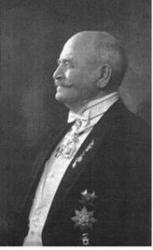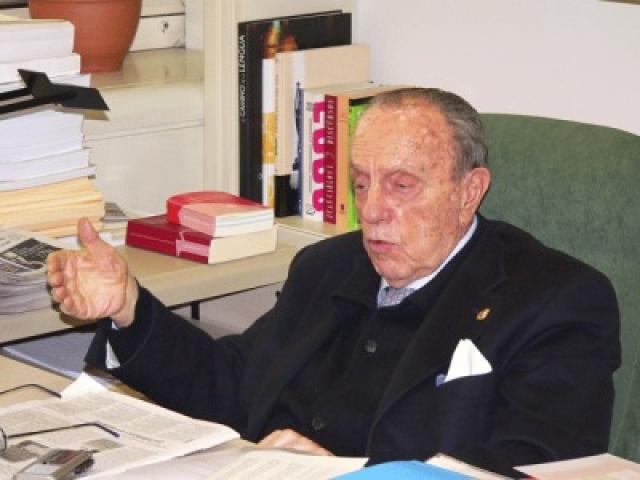
Manuel Fraga Iribarne
 Spain
SpainBiography of Manuel Fraga Iribarne
Manuel Fraga Iribarne was a Spanish politician and legal scholar. He served as the Chairman of the Autonomous Government of Galicia from 1990 to 2005. Fraga Iribarne graduated from the University of Santiago, where he studied law, and the Complutense University of Madrid, where he studied political and economic sciences. He also attended the diplomatic school. Fraga Iribarne began his career as a legal consultant for the parliament in 1945 and later worked for the Ministry of Foreign Affairs starting in 1947. In 1951, he became the Secretary General of the Institute of Spanish Culture and in 1953, he became a professor at the Complutense University of Madrid. He held various positions in government and politics, including serving as the Minister of Information and Tourism from 1962 to 1969.
Political Career and Contributions
Fraga Iribarne played a significant role in transforming Spain into a tourist destination. He introduced the slogan "Spain is different!" to change the country's image from a closed dictatorship to an open and attractive destination. He actively promoted the development of the tourism industry and the creation of roadside hotels, which led to a significant increase in tourism revenue. However, his authoritarian style of governance posed challenges, and he had to justify controversial decisions, such as the execution of a communist activist and the handling of a nuclear accident.
In 1969, Fraga Iribarne left the government due to conflicts with technocrat ministers associated with the religious organization "Opus Dei." He went on to work in the private sector and served as Spain's ambassador to the United Kingdom from 1973 to 1975. After the death of Francisco Franco, he became the Deputy Prime Minister and Minister of the Interior in the first post-Franco government. Fraga Iribarne aimed to implement moderate political reforms while maintaining law and order in the country. However, his handling of certain situations, such as police violence against workers and his controversial statements, drew criticism from opponents of the regime.
In 1976, Fraga Iribarne founded the People's Alliance, now known as the People's Party, a center-right political party that included former supporters of the Franco regime who recognized the importance of democratic freedoms. He played a significant role in the development of Spain's new democratic constitution and served as a member of parliament from 1977 to 1986. In 1987, he became a member of the European Parliament and later served as the President of the People's Party from 1989 to 1990. He transitioned to a more honorary role within the party and continued to advocate for democratic values while acknowledging his involvement in the Franco regime.
Later Years and Legacy
From 1990 to 2005, Fraga Iribarne served as the Chairman of the Autonomous Government of Galicia. Critics accused him of relying on local traditional leaders and exerting control over local media through subsidies and agreements. Despite criticism, he made significant contributions to the electrification and telecommunication of rural areas, the development of viticulture and livestock farming, and the construction of roads, which helped transform Galicia into a popular tourist region.
Fraga Iribarne faced controversy in 2002 when, during the Prestige oil spill crisis, he went hunting instead of addressing the ecological threat. However, the People's Party still won the municipal elections in Galicia. After the regional elections in 2005, where the People's Party lost the majority, Fraga Iribarne stepped down as Prime Minister and became the leader of the opposition. He remained a senator and continued to contribute to academia and the legal field, authoring numerous books on legal and social issues as well as art. He was a member of various academies and received honorary degrees from several universities.
Manuel Fraga Iribarne passed away in 2012, leaving behind a significant political and intellectual legacy in Spain.