
Maria Schell
 Austria
- Maria Schell: Austrian Superstar of the Silver Screen
- Early Life and Career
- International Success
- Television and Personal Life
- Later Years and Legacy
Maria Schell: Austrian Superstar of the Silver Screen
Born Maria Margarethe Anna Schell on January 15, 1926, in Vienna, Austria, she was the daughter of Swiss writer Hermann Ferdinand Schell and Austrian actress Margarethe Noe von Nordberg. Maria was the eldest of four siblings, including actor Maximilian Schell and actresses Carl and Immy.
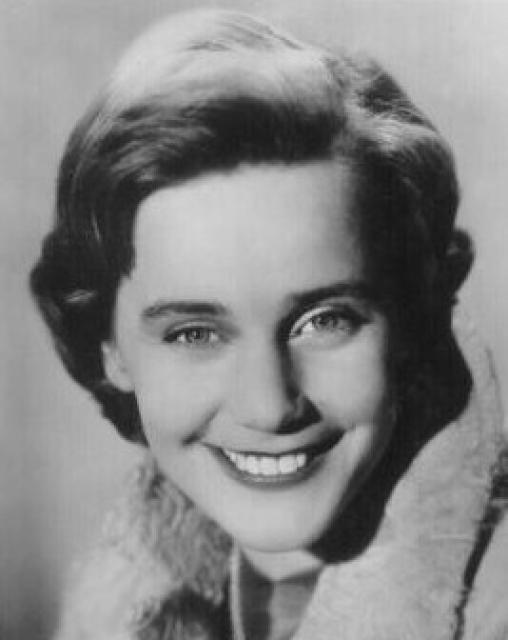
Early Life and Career
Schell's family relocated to Zurich in 1938 following the Anschluss. Her acting career began on the stage, but she made her breakthrough in films such as "Doctor Holl" (1951), "The Heart of the Matter" (1953), and "Gervaise" (1956), for which she won the Volpi Cup for Best Actress at the Venice Film Festival.

International Success
Throughout the 1950s and 1960s, Schell starred in numerous notable films, including "White Nights" (1957), "Cimarron" (1960), "The Brothers Karamazov" (1958), "The Hanging Tree" (1959), and "Superman" (1978). She collaborated with renowned actors such as Yul Brynner, Marcello Mastroianni, Gary Cooper, and Marlon Brando.
Television and Personal Life
In addition to her film career, Schell appeared in guest roles on television series such as "Derrick," "The Martian Chronicles," and "Der Kommissar." She was married twice, first to director Horst Hächler from 1957 to 1965 and later to director Veit Relin from 1966 to 1986. Schell had a son, Oliver, with Hächler and a daughter, Marie-Therese, with Relin.
Later Years and Legacy
In 1991, Schell was in the news due to an attempted suicide. She spent her final years in seclusion in Carinthia, Austria, and passed away from pneumonia on April 26, 2005, at the age of 79. Her brother Maximilian Schell remarked after her death, "She suffered in silence most of her life, and I never heard her complain. I admire her for that. Her death was a liberation for her. Not for me. She is irreplaceable."


