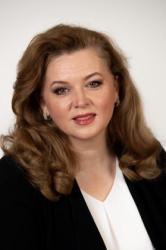
Mario Joao de Oliveira Ruivo
 Portugal
- Early Life and Education
- Oceanographic Research and Political Activism
- Return to Portugal and Government Service
- Minister of Foreign Affairs
- Post-Ministerial Career
- Environmental Advocacy and Leadership
- Honors and Legacy
Early Life and Education
Mário João de Oliveira Ruivo was born in Campo Maior, Portugal, in 1927. Despite being born far from the ocean, he dedicated his life to oceanography. He studied biological sciences at the University of Lisbon, graduating in 1950.
Oceanographic Research and Political Activism
Ruivo's passion for oceanography led him to work at the Marine Biology Station and later to specialize in biological oceanography and the rational use of marine resources at the Sorbonne in Paris. Due to his political opposition to the Salazar regime in Portugal, he was briefly dismissed from his position and prohibited from working in his field. He emigrated to Italy and France, where he continued his research and teaching.
Return to Portugal and Government Service
In 1954, Ruivo returned to Portugal and became Deputy Director of the Portuguese Institute of Marine Biology. He held various positions, including Secretary of the Portuguese Society of Natural Sciences and Director of the Water Resources and Environment Division at the Food and Agriculture Organization (FAO). In 1974, after the "Carnation Revolution," he returned to Lisbon and headed the National FAO Committee.
Minister of Foreign Affairs
Ruivo's expertise in marine affairs led him to be appointed State Secretary for Fisheries in 1974. In 1975, he became Minister of Foreign Affairs in the 5th Provisional Government. Despite his brief tenure of 42 days, he played a significant role in signing the decree-law establishing the Institute for the Return of Nationals.
Post-Ministerial Career
In 1979, Ruivo resigned from his government position and later left the FAO Committee. He became Secretary of the Intergovernmental Oceanographic Commission (IOC) of UNESCO and held various academic and advisory roles. He was a member of the World Commission on the Oceans and the Evaluation and Control Commission for the COMBO Project.
Environmental Advocacy and Leadership
Ruivo's commitment to environmental conservation was evident in his work. He served as Chairman of the National Council for Environmental Protection and Sustainable Development from 1997 to 2007. He also chaired the Steering Committee of the European Centre for Information on Marine Science and Technology (EurOcean).
Honors and Legacy
In recognition of his contributions, Ruivo was awarded an honorary doctorate from the University of the Azores in 2010. He is renowned for his scientific publications, research, and advocacy for the sustainable use and protection of oceans. His work has had a profound impact on marine science and policy globally.