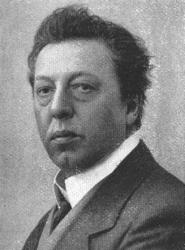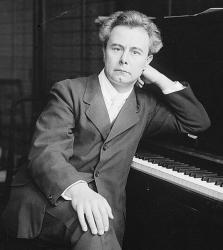
Maurizio Cazzati
 Italy
Italy- Giovanni Battista Cazzati
- Early Life and Priesthood
- Appointment to the Capella di San Petronio
- Conflict with Giulio Cesare Arresti
- Return to Mantova
- Instrumental Music Contributions
- Legacy
Giovanni Battista Cazzati
Giovanni Battista Cazzati was an Italian composer who lived from the early to mid-17th century. He gained recognition for his musical compositions and the significant changes he brought to the Capella di San Petronio in Bologna.
Early Life and Priesthood
Cazzati was born in Mantova, Italy. He was ordained a priest in 1641 and subsequently served as choirmaster in cathedrals throughout Italy, including Mantova, Bozzolo, Ferrara, and Bergamo.
Appointment to the Capella di San Petronio
In 1657, Cazzati was invited to lead the prestigious Capella di San Petronio in Bologna. Despite not seeking the position, he accepted and initiated substantial reforms to enhance the ensemble's performance.
Conflict with Giulio Cesare Arresti
During his tenure at the Capella di San Petronio, Cazzati faced resistance from organist Giulio Cesare Arresti, who criticized perceived errors in Cazzati's compositions. The disagreement escalated, leading to conflicts that culminated in Cazzati's resignation in 1671.
Return to Mantova
After leaving Bologna, Cazzati returned to Mantova and served as chapel master at the ducal court for the remainder of his life. He produced numerous compositions during this period, primarily vocal works.
Instrumental Music Contributions
Alongside his vocal compositions, Cazzati also made significant contributions to instrumental music. His Opus 35 includes some of the earliest known examples of sonatas for natural trumpet, demonstrating his innovative approach to instrumentation.
Legacy
Giovanni Battista Cazzati's impact on Italian music is evident in his extensive output of compositions and his efforts to improve the standards of performance at the Capella di San Petronio. His innovative spirit and contributions to instrumental music continue to be recognized by scholars and musicians today.