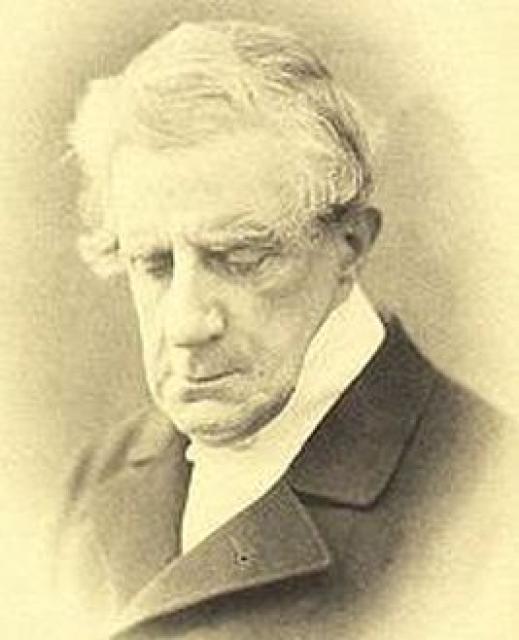
Michelangelo Caetani
 Italy
Italy- Antonio Guidi: Italian Politician, Scholar, and Sculptor
- Political Career
- Literary Scholarship
- "La matena della Divina Commedia" (1868)
- Artistic Endeavors
- Legacy
Antonio Guidi: Italian Politician, Scholar, and Sculptor
Antonio Guidi was an Italian politician, литературовед, and sculptor who emerged as a prominent figure in the mid-19th century.
Political Career
Guidi played a significant role in the tumultuous events surrounding the unification of Italy. In 1848, he served as the Papal Minister of Police, entrusted with maintaining order during a period of intense political upheaval. After the incorporation of Rome into the Kingdom of Italy, he was elected to the Italian Parliament, where he continued to advocate for national unity.
Literary Scholarship
Beyond his political career, Guidi gained wide recognition for his scholarship on the renowned Italian poet Dante Alighieri. His seminal works on Dante's "Divine Comedy" include:
"Della dottrina che si nasconde nell'ottavo e nono canto dell'Inferno" (1852)
"La matena della Divina Commedia" (1868)
"Trechiose nella Divina Commedia" (1876)These publications established Guidi as a respected literary scholar, contributing to the study and appreciation of Dante's masterpiece.
Artistic Endeavors
Despite his blindness that struck him in 1865, Guidi pursued his passion for sculpture. His most famous work, "Связанный Амур," is a captivating marble statue that showcases his artistic talent. Guidi's ability to create such intricate and expressive works in the face of adversity serves as a testament to his determination and artistic spirit.
Legacy
Antonio Guidi's contributions to Italian politics, literature, and art left a lasting legacy on his nation. He is remembered as a multifaceted figure whose work and life story continue to inspire generations to come.