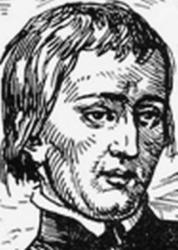
Mikolaj Kmicic
 Poland
- Matheo Casimirus Sarbiewski
- Early Life and Education
- Poetic Works
- Legacy
- Contributions to Latin Literature
- Recognition and Honors
- Legacy as a Literary Figure
Matheo Casimirus Sarbiewski
Life and CareerMatheo Casimirus Sarbiewski, a Polish Jesuit priest, was one of the most renowned Latin poets of the 17th century.
Early Life and Education
Born in Sarbiewo, Poland, Sarbiewski received his education at the Jesuit college in Kalisz. He entered the Jesuit Order in 1602 and pursued his studies in philosophy and theology.
Poetic Works
Sarbiewski is best known for his Latin poetry, which was highly praised for its elegance, wit, and profound themes. His major works include:
- "Dithyrambus seu panegyricus Georgii Tyszkiewicz" (1628):A panegyric poem in honor of Bishop George Tyszkiewicz.
- "Epicitharismata ad lyram P. Casimiri Sarbiewski" (1627):A collection of epigrams and odes.
- "Jasaphatidos" (1627):An epic poem celebrating the life of Saint Josaphat Kuncewicz.
Legacy
Sarbiewski's poetry gained immense popularity throughout Europe and influenced numerous writers, including John Milton and Andrew Marvell. His works were translated into many languages and continue to be admired by scholars and literature enthusiasts.
Contributions to Latin Literature
Sarbiewski's contributions to Latin literature are immense. He is considered one of the finest exemplars of the Baroque style, characterized by its elaborate imagery, rhetorical flourishes, and integration of classical and Christian themes.
Recognition and Honors
Sarbiewski was awarded the title of "Prince of Poets" by the Polish king, Ladislaus IV. His poetry was also highly regarded in France, where he was known as the "Polish Horace."
Legacy as a Literary Figure
Matheo Casimirus Sarbiewski occupies a significant place in the canon of Latin literature. His poetry reflects the intellectual and cultural currents of the 17th century and continues to inspire and captivate readers with its beauty and depth.