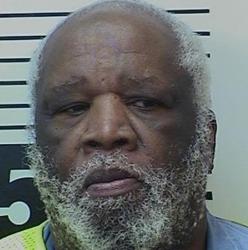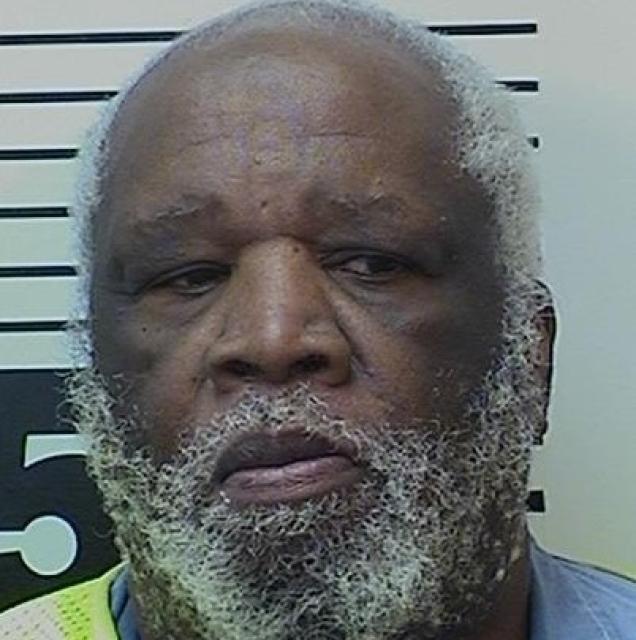
Morris Solomon
 USA
Morris Solomon Jr. (1944–2024) was an American convicted murderer whose crimes and prosecution became a major Sacramento case. Working as a handyman, he lived and took jobs at several properties where women’s bodies were later found. A California jury convicted him of six murders and two sexual assaults, and the state Supreme Court later upheld his death sentence.
Early Years
Solomon was born in Georgia on 15 March 1944 and grew up in rural communities in the American South. He served in the U.S. Army in Vietnam and later lived in California, including Sacramento. He worked in a range of jobs, among them carpentry and repair work, and was often employed as a handyman.
His earlier criminal record included a 1977 conviction for sexual assault, for which he served time in San Quentin State Prison. After his release, he returned to Sacramento and continued working in maintenance and remodeling.
The Sacramento Case
Between 1986 and 1987, police investigated the deaths of women whose bodies were discovered in Sacramento homes and yards, including properties where Solomon had lived or worked. Investigators eventually linked him to six murders and sexual assaults against other women. The case was prosecuted in Sacramento County, where the locations connected to his work and residences became an important part of the evidence.
In 1992, a jury convicted Solomon of four counts of first-degree murder and two counts of second-degree murder, along with sexual assaults against two other victims. After jurors could not agree on a penalty in the first penalty phase, a second jury sentenced him to death. The case reached the California Supreme Court on automatic appeal, and in 2010 the court affirmed the convictions and death judgment.
Life on Death Row
Solomon was transferred to California’s condemned population in September 1992. He remained incarcerated for more than three decades as the legal process continued. He died at California Health Care Facility in Stockton on 1 August 2024, aged 80. The California Department of Corrections and Rehabilitation reported his death and said the county coroner would determine the official cause.
The case remains part of Sacramento’s criminal history because of the number of victims, the connection between the crime scenes and Solomon’s work, and the long appeal that followed his trial.