Nagina
 Nepal
Nepal- The Young Nepali Girl with Ichthyosis
- Ichthyosis: A Genetic Cause of Devastating Skin
- A Miraculous Transformation: From Isolation to Education
- A Lifelong Supply of Essential Support
- The Importance of Skin Care in Crisis Zones
The Young Nepali Girl with Ichthyosis
At 13 years old, Nagina's skin had become so encrusted that the Nepali girl could not speak or move. A simple bath in petroleum jelly saved the life of the now-thriving schoolgirl.
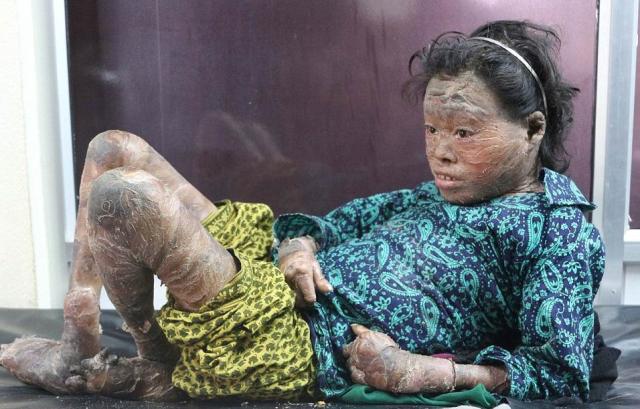
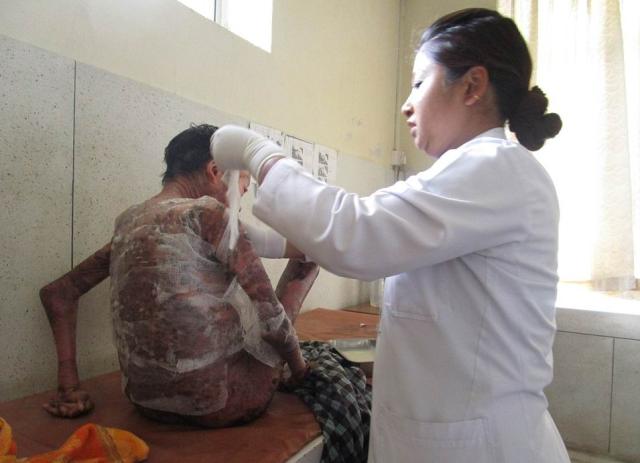
When Nagina arrived at the hospital, her condition was critical. The Nepali native had been born with a condition that caused her skin to constantly thicken and shed. Neglect had turned the young girl into a virtual mummy. Nagina's uneducated parents feared their daughter and did not know how to help her. Tragically, medical workers found the girl living in a cowshed.
Ichthyosis: A Genetic Cause of Devastating Skin
Nagina was actually born in rural Nepal with a genetic condition called ichthyosis. The faulty gene affects the rate at which the skin regenerates. Either old skin cells are shed too slowly, or new cells reproduce too quickly for the old ones to shed, leading to the buildup of thick, scaly skin. The condition is incurable.
Those with severe ichthyosis can spend hours each day managing their skin. Hydration is essential, often with inexpensive products like petroleum jelly. The solution seems simple, but many people, like Nagina, lack access to these drugstore staples. Had petroleum jelly been readily available, her condition might never have become so debilitating. Her dry skin could have been managed, dramatically improving her quality of life. Fortunately, dedicated doctors intervened, and a lifetime supply of free petroleum jelly will help Nagina manage her condition.
A Miraculous Transformation: From Isolation to Education
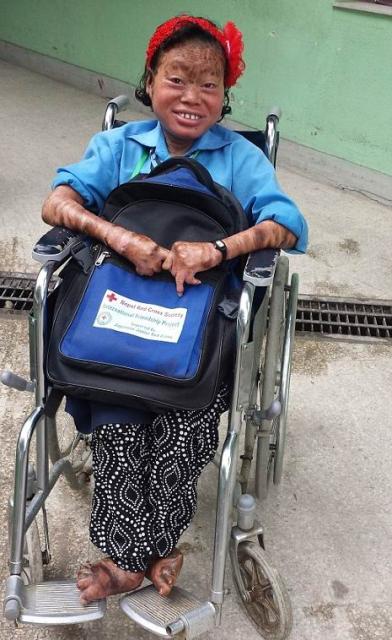
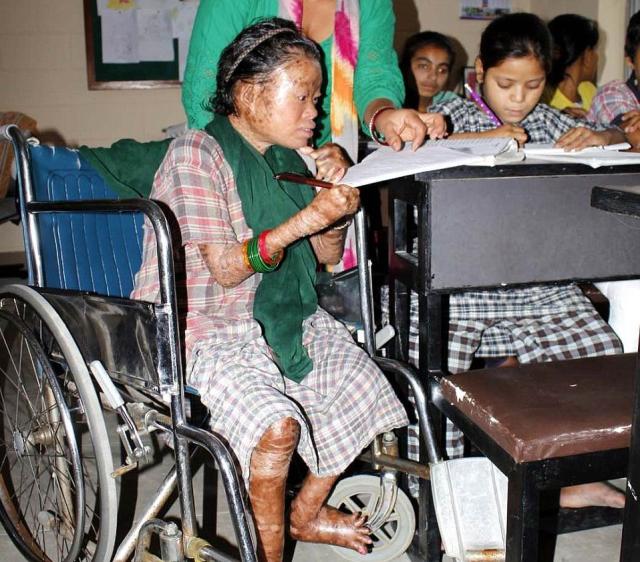
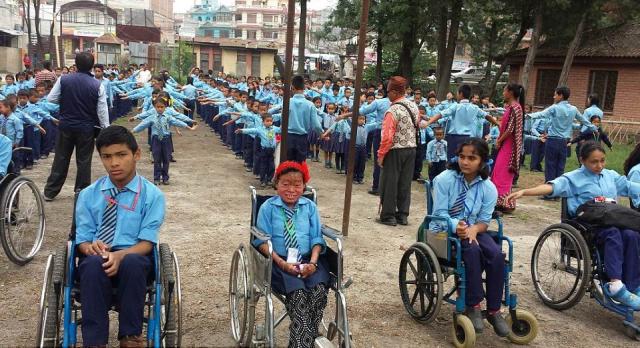
Out of the hospital, the Nepali girl is now attending school. Once withdrawn and silent, Nagina is now "glowing with confidence," according to her many friends.
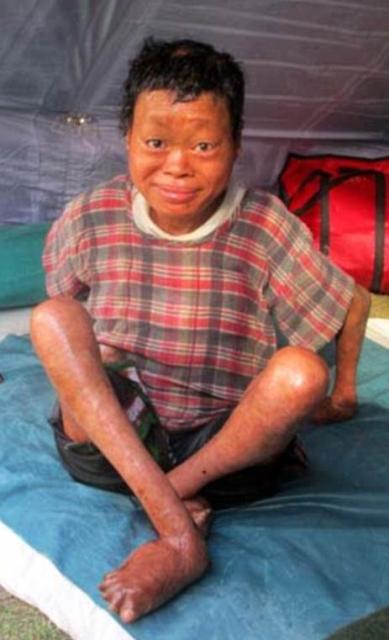
"When she came to us, she was a depressed and mute girl," said Dr. Bibeck Banskota, senior consultant pediatrician at the children's hospital where Nagina spent five months. "To know that we have made a difference that will last the rest of her life makes me the happiest man in the world."
But how did Nagina's condition ever get so bad? "Many parents don't know what to do when their child has a disability," Dr. Banskota said. "There's a lot of stigma and taboo in many cultures."
"Every family loves their child, but when you live hand-to-mouth, you don't have a lot of other opportunities," he added.
In order to free Nagina's joints and limbs, the skin had to be addressed. Before-and-after photos show the horrifying extent to which Nagina's condition had progressed.
"Hers was a simple case of needing moisturizing cream, and then love and attention," said Bibeck. "The nurses used to tease me that they were going to wrap her every day in gauze soaked in Vaseline and give her a bath. They just took to her beautifully."
A Lifelong Supply of Essential Support
Over the weeks, Nagina's skin improved, and she began to flourish. "She first smiled when she came for physiotherapy," recalled Dr. Banskota. "It was to get her joints moving, and she was meeting other disabled children."
Nagina will always need petroleum jelly to keep her skin healthy, a product easily accessible to us but scarce in her home country. Fortunately, the international charity Direct Relief heard about Nagina and has committed to supplying her with a lifetime supply of petroleum jelly.
Nagina now boards at a special hostel for disabled children run by the hospital. "She's just a very bright kid," said Bibeck. "Despite a deformed hand from birth, she's adapted. She's got a better handwriting than I have."
The Importance of Skin Care in Crisis Zones
For people living in areas affected by conflict or natural disaster, wounds or skin injuries can have life-altering consequences. The effects are so severe that skin disease is the sixth leading cause of death among vulnerable populations, according to the United Nations Refugee Agency.
A simple cut can turn into a life-threatening infection, forcing people to miss work. An untreated wound can become infected, causing young people to miss school. In refugee camps, for example, burns are common from cooking over open fires or using kerosene lamps. Harsh sunlight on damaged hands and feet takes its toll. Difficult terrain and a lack of moisturizing creams contribute to the problem.
Without proper treatment, even a small cut can lead to serious complications. In fact, over 80 percent of health clinics surveyed by Direct Relief report a high proportion of patients suffering from eczema, scabies, and burns.
In these settings, a jar of petroleum jelly, often thought of as a cheap ingredient in beauty products, can prevent serious problems like dry, cracked lips and feet.
But half of the health clinics surveyed lack essential medicines and supplies to treat skin ailments. They lack inexpensive, simple, readily available medical tools and supplies.
The Vaseline Healing Project allows donors to sponsor a health kit that includes petroleum jelly for free. You choose the additional medical items to include, such as thermometers, thermal blankets, gloves, stethoscopes, scissors, soap, bandages, and more.
These seemingly modest supplies make a huge difference when health workers are caring for people in desperate need.


