Napoleon I
 France
- Napoleon I: Biography of the French Emperor
- Early Life and Rise to Power
- Consolidation of Power and Reforms
- Legacy and Impact
Napoleon I: Biography of the French Emperor
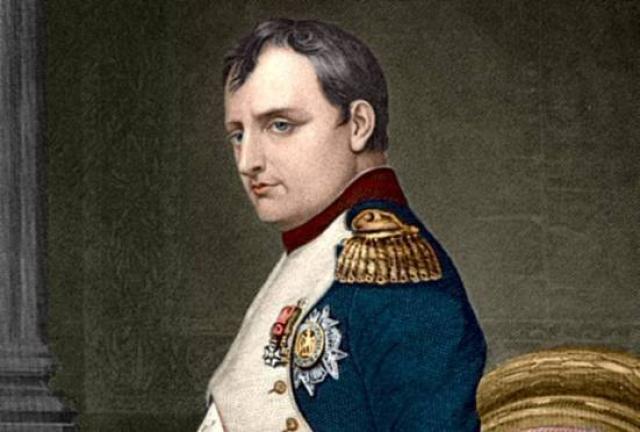
Napoleon I (Napoleon Bonaparte, Buonaparte) was born on August 15, 1769, in Ajaccio, Corsica. He served in the French Army, starting as a junior lieutenant in the artillery in 1785, and rose through the ranks during the French Revolution and under the Directory, eventually becoming a brigadier general. In November 1799, he carried out a coup d'état (18 Brumaire) and became the First Consul, consolidating power in his hands. In 1804, he proclaimed himself Emperor.
Early Life and Rise to Power
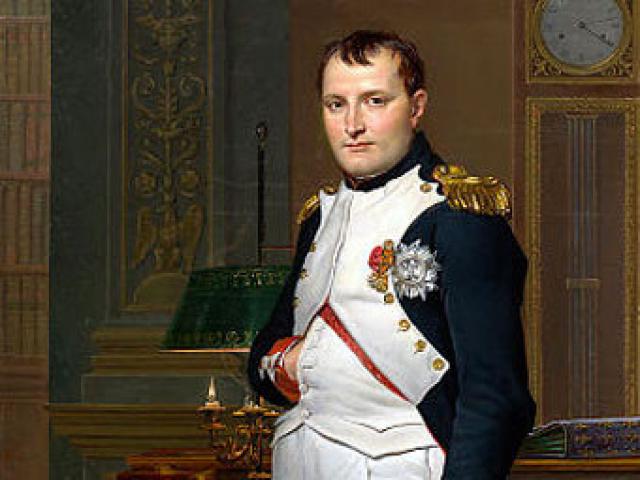
Napoleon came from a modest Corsican noble family, with his parents being Charles and Letizia Bonaparte. He studied at the Royal Military School in Brienne and the Paris Military School from 1779 to 1785, graduating as a lieutenant. During the Revolutionary period, Napoleon wrote publicistic works, such as "Dialogue on Love" (1791) and "The Supper at Beaucaire" (1793), which reflected his Jacobin sympathies.

Napoleon gained recognition for his military skills during the Siege of Toulon, where he led a successful operation and was promoted to brigadier general at the age of 24. He further distinguished himself during the suppression of the royalist uprising in Paris in 1795 and was appointed as the commander of the Italian Army. In the Italian campaign (1796-1797), he demonstrated his military genius by defeating the Austrian forces in a series of rapid maneuvers and securing victories in battles such as Montenotte, Lodi, Milan, Castiglione, Arcole, and Rivoli. These victories spread the ideals of freedom and equality and led to the establishment of the French-dominated Cisalpine Republic in Northern Italy.
Consolidation of Power and Reforms
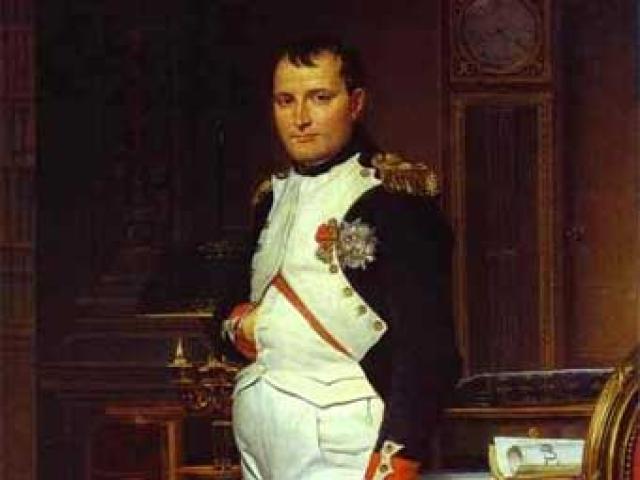
Upon assuming power as the First Consul, Napoleon implemented a series of reforms to strengthen his personal authority and secure the gains of the Revolution. He introduced the Civil Code (1804), commonly known as the Napoleonic Code, which safeguarded civil rights and property rights, including those of peasants and those who had acquired national assets during the Revolution. He also reformed the administration, establishing a system of prefects and mayors, and created the State Bank of France (1800).
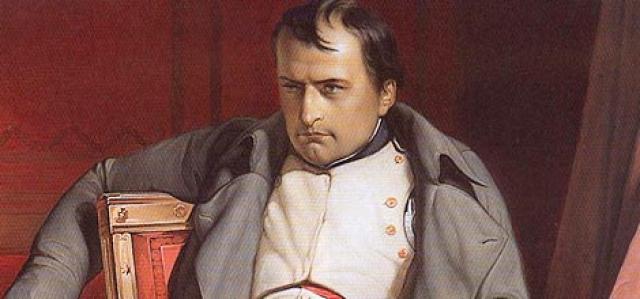
Napoleon expanded the French Empire through successful military campaigns, bringing most of Western and Central Europe under French control. However, his defeat in the 1812 war against Russia marked the beginning of the decline of his empire. The entry of the anti-French coalition forces into Paris in 1814 forced Napoleon to abdicate, and he was exiled to the island of Elba. He briefly returned to power in 1815 (known as the "Hundred Days"), but his defeat at the Battle of Waterloo led to his final abdication. He was taken as a prisoner by the British and sent to the remote island of Saint Helena, where he spent the last years of his life.
Legacy and Impact
Napoleon possessed remarkable memory, intelligence, military and political genius, and had the ability to charm people. His reign and tragic fate deeply affected his contemporaries and inspired artists, musicians, poets, and the romantic movement that flourished in European culture in the following decades. His military tactics and strategies continue to be studied and incorporated into military textbooks, and his legal reforms form the basis of civil laws in Western democracies. The restored Bourbon monarchy was unable to undo the changes brought about by Napoleon, and his legacy as a significant figure of his era remains intact.