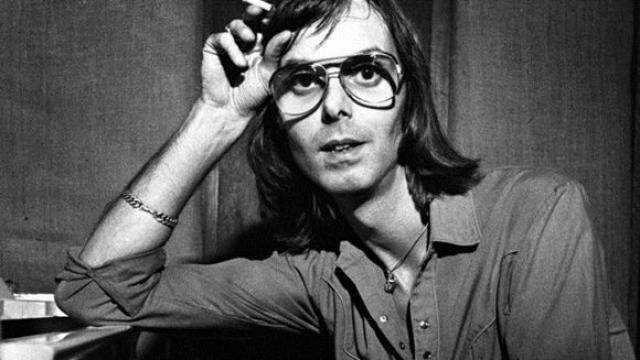
Niki Hopkins
 USA
USA- Nicky Hopkins: The British Rock Musician
- A Session Musician and Collaborator
- Collaborations with Iconic Bands
- Solo Career and Later Years
Nicky Hopkins: The British Rock Musician
Nicky Hopkins, whose real name was Nicholas Christian Hopkins, was an English rock musician. He was born in London, England in 1944. Hopkins began his musical career in the 1960s when he joined David Edward Sutch, better known as Screaming Lord Sutch, as the keyboardist. After some time, he joined The Cyril Davies R&B All Stars, one of Britain's first rhythm and blues bands. With the band, he recorded several songs, including the well-known "Country Line Special."
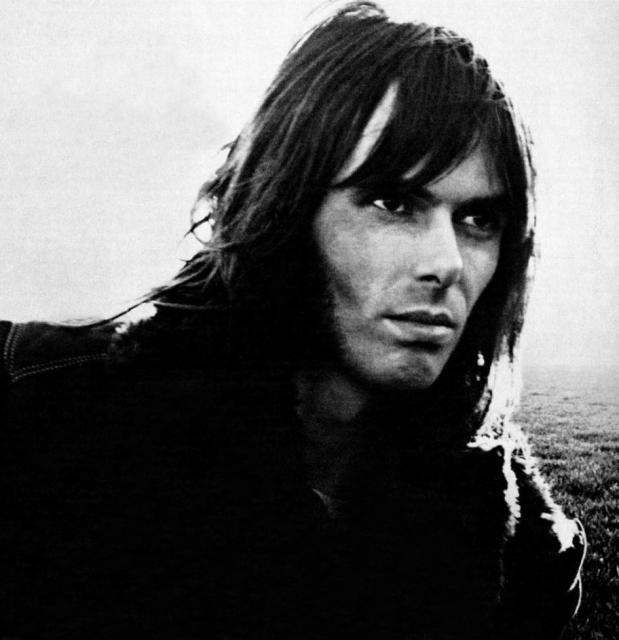
A Session Musician and Collaborator
In the late 1960s, Hopkins started working as a session musician under the direction of producers such as Shel Talmy and Mickie Most. Over the next few years, Hopkins participated in recording sessions for various groups and musicians, including The Kinks, The Move, and Alun Davies. One of his most notable works from this period was the composition "Anyway, Anyhow, Anywhere," which he recorded in 1965 with the renowned rock giants of the time, The Who. Hopkins later worked with The Who again, assisting them in the recording of the albums "The Who By Numbers" and "Who's Next."
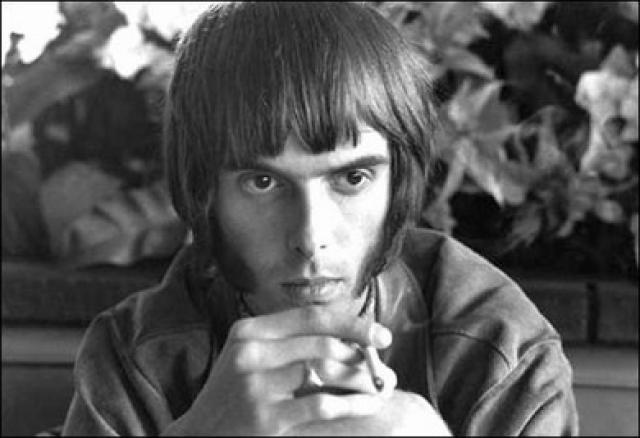
Collaborations with Iconic Bands
In the 1960s, Hopkins recorded with The Rolling Stones, The Beatles, and contributed to the solo albums of John Lennon, George Harrison, Ringo Starr, and many others. In 1967, he joined The Jeff Beck Group and recorded the albums "Truth" and "Beck-Ola." Towards the end of the 1960s, Hopkins played with a band called Sweet Thursday, which included Alun Davies, Cat Stevens, and Brian Rogers. The group recorded their debut album, but their recording studio went bankrupt before they could embark on a tour.
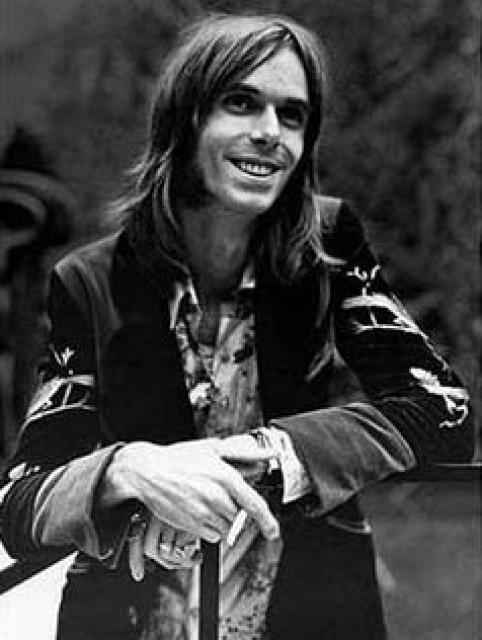
Solo Career and Later Years
Hopkins also pursued a solo career. His first single, "Mr. Big," was released in 1966, followed by an album titled "The Revolutionary Piano of Nicky Hopkins" just a few months later. In 1973, his second solo album, "The Tin Man Was a Dreamer," was released. An album titled "No More Changes" was scheduled for release in 1975, but, due to strange circumstances, it never came to fruition.
In his later years, Hopkins resided in California, occasionally recording with local bands in San Francisco. It is known that Hopkins rarely received royalties as he was always considered a hired employee. In 1989, he received the Medal of Freedom from the International Association of Scientologists, affiliated with the Church of Scientology. On September 6, 1994, Hopkins passed away due to complications from surgery. It is known that at the time, he was working with Ray Coleman on writing his autobiography.


