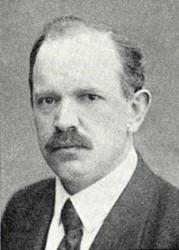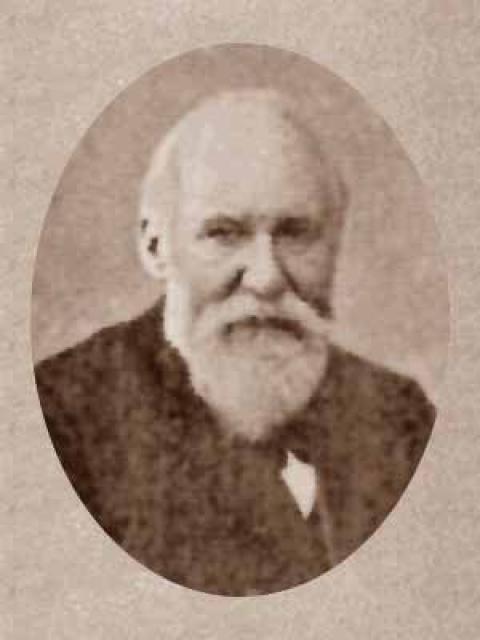
Nikolaj Storozhenko
- Nikolai Ilyich Storozhenko: A Literary Luminary
- Academic Career
- Studies on Shakespeare
- Professorship at Moscow University
- Doctoral Dissertation and International Recognition
- Later Career and Legacy
- Shakespearean Studies
- Lasting Impact
Nikolai Ilyich Storozhenko: A Literary Luminary
Early Life and EducationNikolai Ilyich Storozhenko, a renowned literary scholar, was born in 1836. He received his education at the First Kyiv Gymnasium and the Moscow University, where he graduated with a degree in history and philology.
Academic Career
Storozhenko's academic career began as a lecturer at the Alexandrovsky Military College and the First Moscow Gymnasium. In 1864, he delivered a series of five public lectures on Shakespeare, sparking a deep and enduring fascination with the playwright and his era.
Studies on Shakespeare
Storozhenko spent two years (1867-69) abroad, primarily in England, delving into Shakespeare's work. His subsequent publications included the article "Shakespearean Criticism in Germany" (1869) and his groundbreaking doctoral dissertation, "Shakespeare's Predecessors" (1872). These works showcased his erudition, literary talent, and exceptional knowledge of German thought.
Storozhenko's writings on Shakespeare were not confined to academic pursuits. He explored the psychological aspects of the playwright's characters, drawing parallels to figures such as Belinsky. His passion for his subject infused all his works, guiding his choice of topics and inspiring his vivid prose.
Professorship at Moscow University
In 1872, Storozhenko was appointed to the Chair of History of Universal Literature at Moscow University. As a professor, he introduced a literary sensibility, artistic finesse, and humanistic perspective that had been absent from previous treatments of the subject.
Doctoral Dissertation and International Recognition
In 1878, Storozhenko defended his doctoral dissertation on "Robert Greene: His Life and Works." This groundbreaking study, which unearthed new source material, was translated into English and garnered international acclaim. Storozhenko was elected Vice-President of the New Shakespeare-Society, recognizing his profound scholarship.
Later Career and Legacy
Storozhenko's later career involved numerous lectures at universities, women's colleges, and theater schools. He also held leadership roles in literary organizations, including the Chairmanship of the Literary and Theater Committee from 1894. Alongside his original works, he translated and edited translations by authors such as Géné, Koch, Lewes, and Brandes.
Storozhenko's contributions to literary scholarship spanned multiple disciplines, including Spanish literature ("Spanish Historical Literature" by Ticknor) and French literature ("Victor Hugo and His Time"). His journal articles covered a wide range of topics, from the philosophy of Don Quixote to the life of Theodore Parker.
Shakespearean Studies
Storozhenko remained a central figure in Shakespearean studies in Russia. His contributions included an overview of English drama before Shakespeare's time in the "Universal History of Literature" and seminal articles on Shakespeare's sonnets, Falstaff, and the relationship between Shakespeare and Belinsky.
Lasting Impact
Nikolai Ilyich Storozhenko died in 1906, leaving an enduring legacy as a scholar, educator, and mentor. His passion for literature, coupled with his intellectual rigor and literary flair, made him a foundational figure in Russian academia and literary criticism.