Nikolay Gantimurov
- Early Life and Military Career
- Russo-Japanese War
- Post-War Years
- Later Life and Arrest
- Historical Controversy
- Legacy
Early Life and Military Career
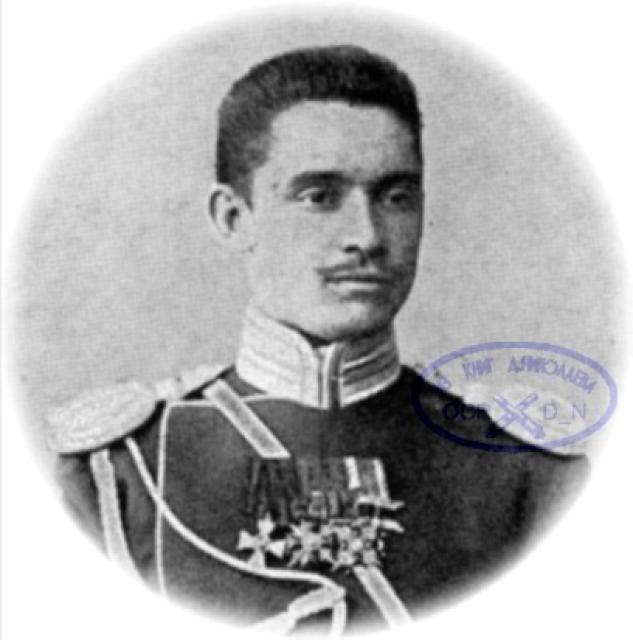
Prince Gantimurov was a member of a Manchu princely family and was born in the Russian Empire. He graduated with honors from the Siberian Cadet Corps and the Pavlovsk Military School in 1901, earning the rank of second lieutenant. He was assigned to the Yenisei Reserve Battalion in Irkutsk and later transferred to the Port Arthur Fortress Infantry Regiment (later the 25th East Siberian Infantry Regiment).
Russo-Japanese War
During the Russo-Japanese War, Gantimurov served as an orderly in the fortress headquarters and became a personal aide to General A.M. Stessel, commander of the 3rd Siberian Army Corps. He was transferred to the 9th East Siberian Infantry Regiment and became a company commander. Eyewitness accounts describe Gantimurov being constantly sent on various missions by Stessel. He successfully broke the Port Arthur blockade twice, delivering reports to Chifu.
Post-War Years
After the war, Gantimurov testified in the trial of General Stessel, who was charged with surrendering Port Arthur. In 1907, he became a lieutenant of the guards and transferred to the Palace Grenadier Company. He served until 1917, rising to the rank of captain of the guards.
Later Life and Arrest
After the Russian Revolution, Gantimurov lived in Sevastopol and traveled abroad. He later moved to Moscow, where he worked as a foreman in a sand quarry. In 1924, he was arrested and charged with counter-revolutionary activities. He was sentenced to death and executed on September 1, 1924.
Historical Controversy
Prince Gantimurov's role in the defense of Port Arthur remains controversial. General K.N. Smirnov, the fortress commandant, accused him of receiving the Order of St. George without justification. However, Stessel defended Gantimurov's actions, claiming he was awarded the order for his bravery and successful blockade-breaking missions.
Legacy
In A.N. Stepanov's novel "Port Arthur," Gantimurov is portrayed as a despicable and treasonous character, an accusation that conflicts with historical records. A monument in the courtyard of the Yauza Hospital in Moscow commemorates Gantimurov as one of the victims of political repression.