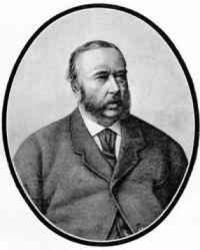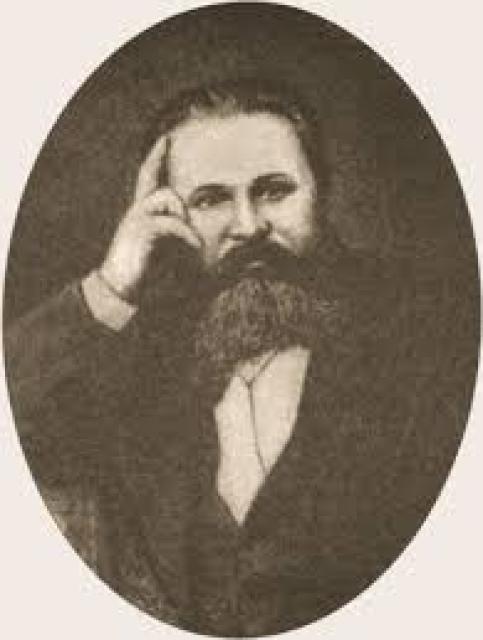
Nikolay Hramcovskij
 Russia
Nikolai Ivanovich Khramtsovsky: A Pioneer of Nizhny Novgorod Local History
Early Life and Career
Born in Vologda in 1818, Nikolai Ivanovich Khramtsovsky was a self-taught historian who became a cornerstone of Nizhny Novgorod local history. His work as a salt transport manager for the Nizhny Novgorod Salt Administration afforded him the opportunity to travel extensively across Russia. Later, he served in three district zemstvo administrations, where he became an ardent supporter of local self-government and education.
Historical Research and Publications
As a member of the Nizhny Novgorod Statistical Committee, Khramtsovsky played a pivotal role in establishing the Kulibin Crafts College in memory of the renowned engineer, Ivan P. Kulibin. His literary career began in 1846 with the publication of "And the Russian Heart is Not Stone: Tales from Holy Russia." However, Khramtsovsky's primary focus was on the history of Nizhny Novgorod, which he studied extensively through archival research.
He published numerous articles in local publications and authored several notable works, including "A Brief History and Description of Nizhny Novgorod" (1857-1859), "Three Lawsuits Won: A Legal Case from the Time of Peter the Great" (1859 and 1871), and "Historical Sketch of Kunaevino and Its Current State" (1865). His work "Fortifications of Nizhny Novgorod in the Early 16th Century" (1867) contributed to the understanding of the city's military history.
Later Years and Legacy
In addition to his published writings, Khramtsovsky left behind a significant collection of manuscripts. He served as editor of the "Nizhny Novgorod Stock Exchange Gazette" in 1875. After his death in 1890, his work was recognized and commemorated in "In Memory of N. Ivanovich Kh., Historian of Nizhny Novgorod" (1899).
Nikolai Ivanovich Khramtsovsky's pioneering contributions to Nizhny Novgorod history and his dedication to local self-government continue to inspire researchers and historians today.